Shared Truckload Machinery Shipping From Los Angeles to Texas
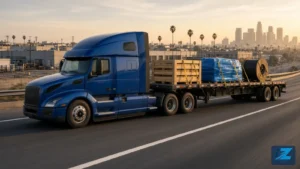
A machine shop in Texas needed a crated CNC lathe brought in from a warehouse in the Los Angeles area. The lathe weighed a little over 11,000 lbs and ran about 13 feet long, crated and shrink wrapped. It was a big machine, but it only needed part of the deck. That made it a good candidate for shared truckload machinery shipping, where your machine rides with another shipper’s freight on the same truck.
The shop’s first thought was a dedicated flatbed, which is what most shippers book. A dedicated truck works, but you are reserving the whole trailer for a load that uses only part of it. A shared truck can lower that cost when suitable capacity is running your way, as long as your schedule can flex a little.
Below is how this move came together, what the shipper asked for before the truck left, and how to tell whether your next machine is a good fit.
What a Shared Truckload Means for Your Machine
A shared truckload, also called a partial truckload (PTL), is one truck carrying freight for more than one customer. It sits between LTL shipping, where freight moves through terminals and changes trucks, and a full truckload, where the whole trailer is yours.
For machinery, that difference with LTL matters. A shared truckload usually stays on the same trailer from pickup to delivery, so your machine is loaded once and unloaded once. There is no terminal forklift and no cross docking along the way.
IZ’s carrier network powered by Armstrong Transport lets us match your machine with other freight already headed in the same direction, on the trailer your machine actually needs.
How the Los Angeles to Texas Shared Truckload Came Together
The lathe was sitting at a warehouse near the ports after coming off the water. We set a morning pickup appointment, and our network of carriers found a step deck already planning a Texas run with room left on the deck. If your machine is still in a container, our guide to moving machinery from a port container to a flatbed covers that first step.
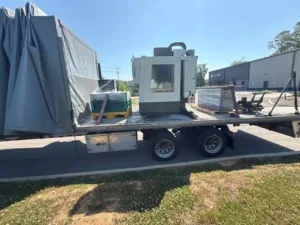
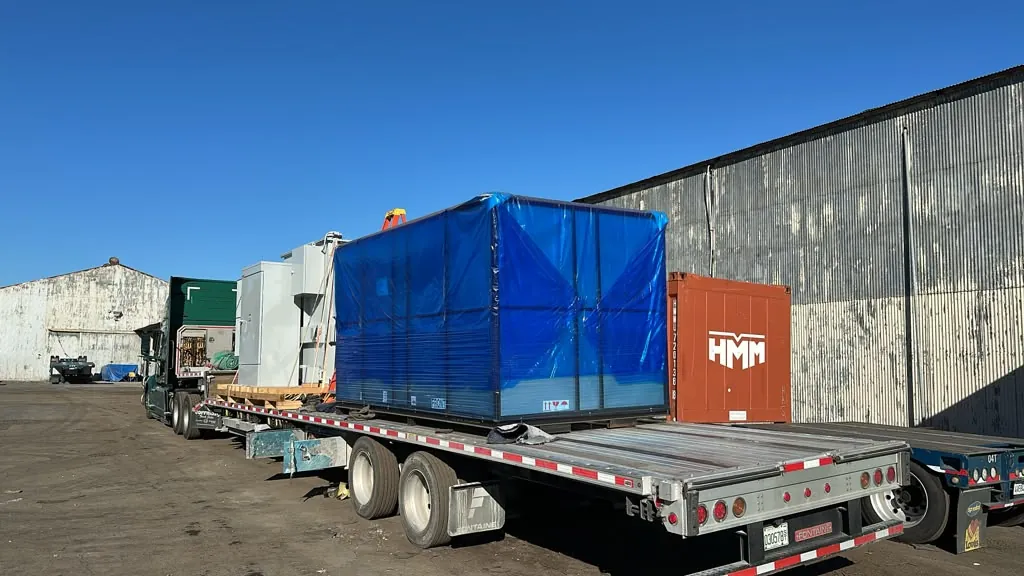
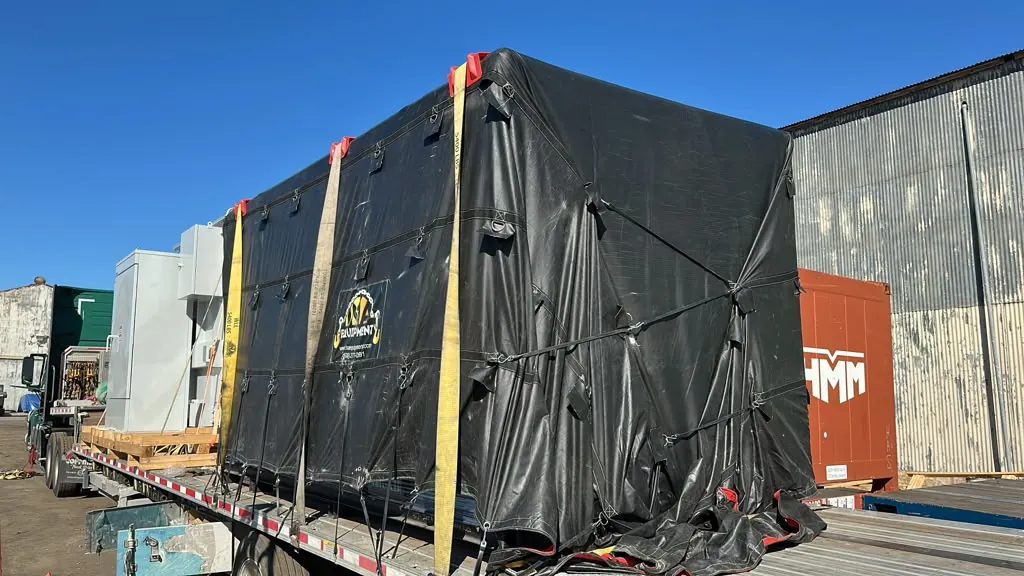
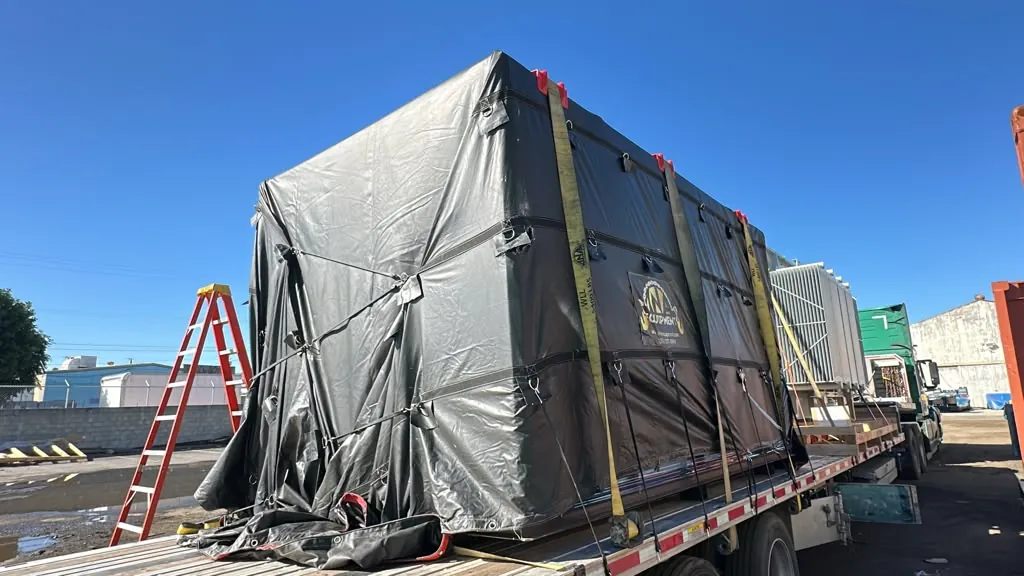
The lathe went on crated and shrink wrapped, on wood dunnage, and the driver secured it with straps and chains at proper points. Before leaving the yard, the driver tarped it as well, so it would stay dry if the weather turned anywhere between California and Texas.
The shipper made one request in writing before the truck rolled: have the driver inspect the crate and confirm there was no damage of any kind before leaving pickup. That is a smart ask on any machinery move. The driver checked it and sent photos, and the crate and shrink wrap were in good shape with no holes or tears.
Why a Shared Truck Can Cost Less
A truck running from Los Angeles to Texas costs roughly the same to operate whether the deck is half empty or full. When more than one shipper uses the deck, the cost of that trip no longer falls on a single load.
For this shipper, the shared option came in well under the price of an exclusive truck on the same lane. We are not listing numbers here, because rates move with the lane, the season, fuel, and the day of the week. Our recent CNC press brake move from Los Angeles to Houston shows how much the lane and equipment shape a quote.
The tradeoff is flexibility. Your machine shares the truck’s schedule, so there may be another pickup before yours or another delivery along the way. A little room in your timeline is what makes a shared truck work.
Is Your Machine a Good Fit for a Shared Truckload?
Many single machines and small groups of equipment are. A shared truck tends to work well when:
- Your freight uses part of the deck, not all of it
- The machine is crated, skidded, or shrink wrapped and can be handled by forklift
- It stays within legal height and weight on the right trailer
- Your ready date and delivery date have some flexibility
- Both ends can load and unload, or you have riggers lined up
The same approach works for CNC machinery, injection molding machines, EDM machines, and aerospace equipment when the size and schedule fit. It is usually not the right call when the machine fills the trailer, needs permits, or has a deadline that cannot move. In those cases a dedicated full truckload or heavy haul is the better plan, and we will tell you so. When the clock is tight, a team flatbed can be another option.
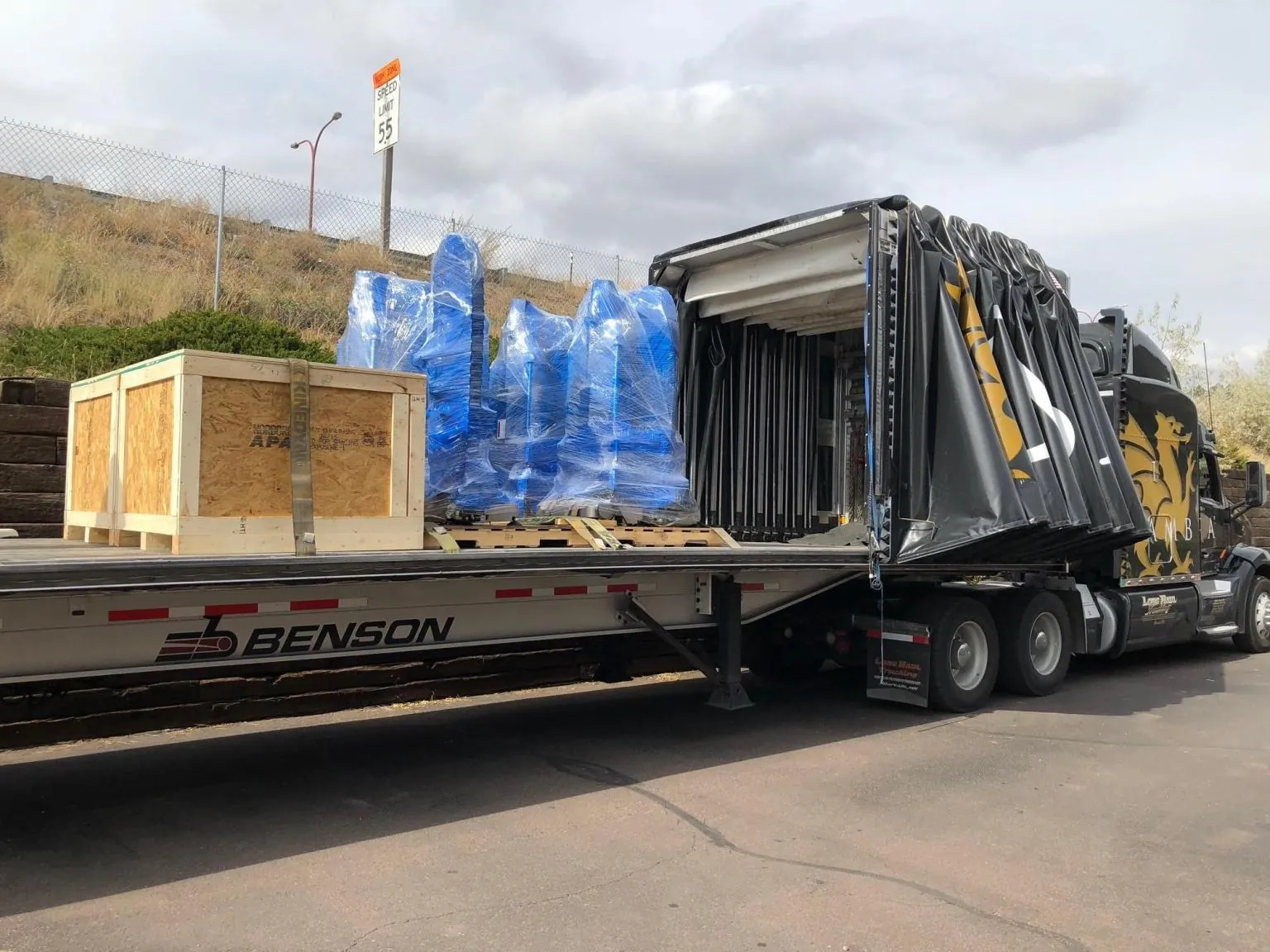
How to Protect a Machine on a Shared Truck
Sharing a deck should never mean cutting corners. A few habits go a long way:
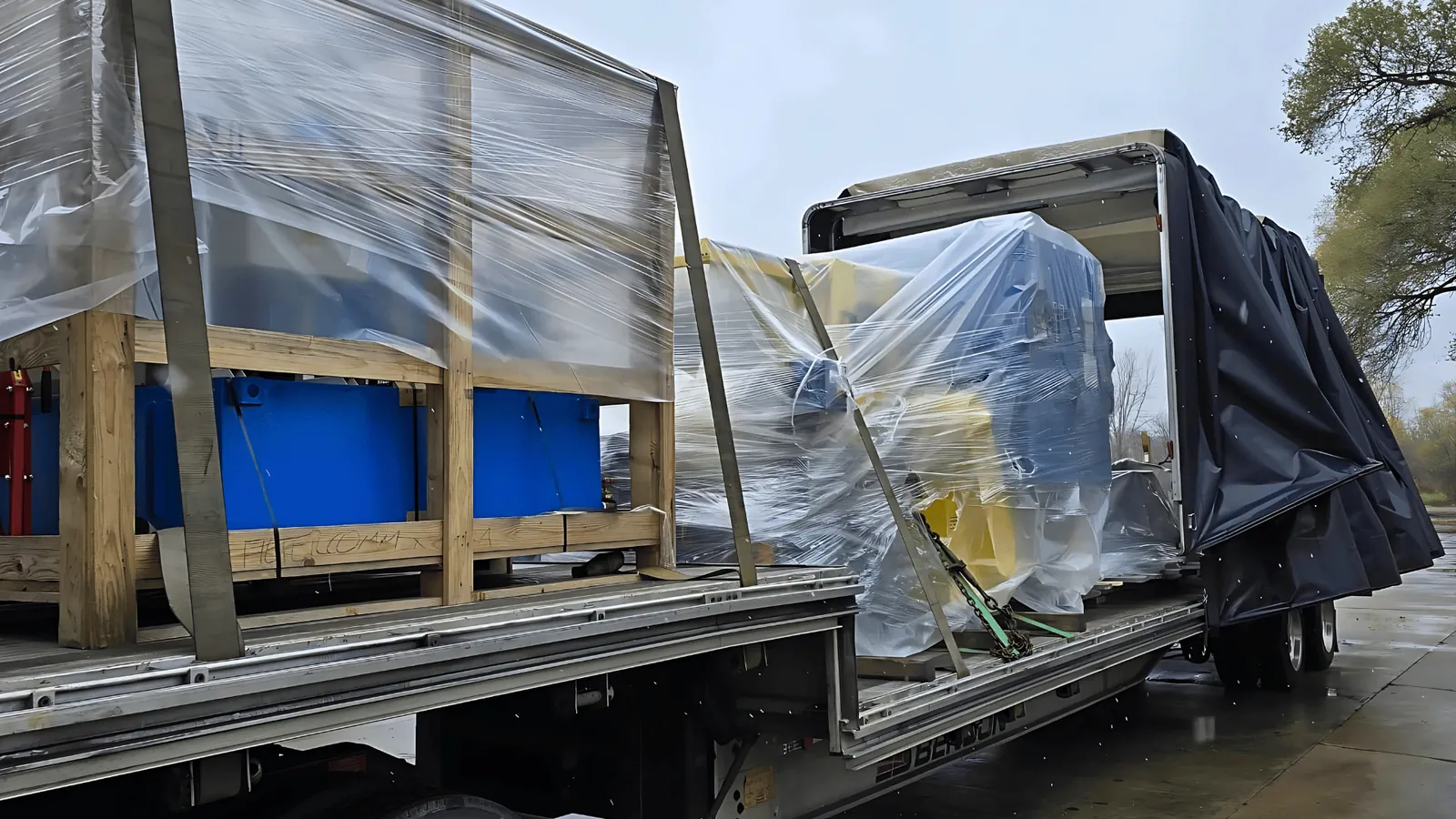
- Crate it or shrink wrap it, and set it on dunnage or a solid skid
- Ask for an air-ride trailer if the machine is sensitive
- Tell us up front if it cannot get wet, so a tarp or Conestoga is planned
- Ask the driver to inspect at pickup and send loaded photos before departure
- Review those photos yourself, and speak up before the truck leaves
The motor carrier and driver handle securement, and you can help by giving accurate weight, dimensions, and condition. For freight that cannot get wet, see how Conestoga machinery transport works, or compare equipment on our trailer types page.
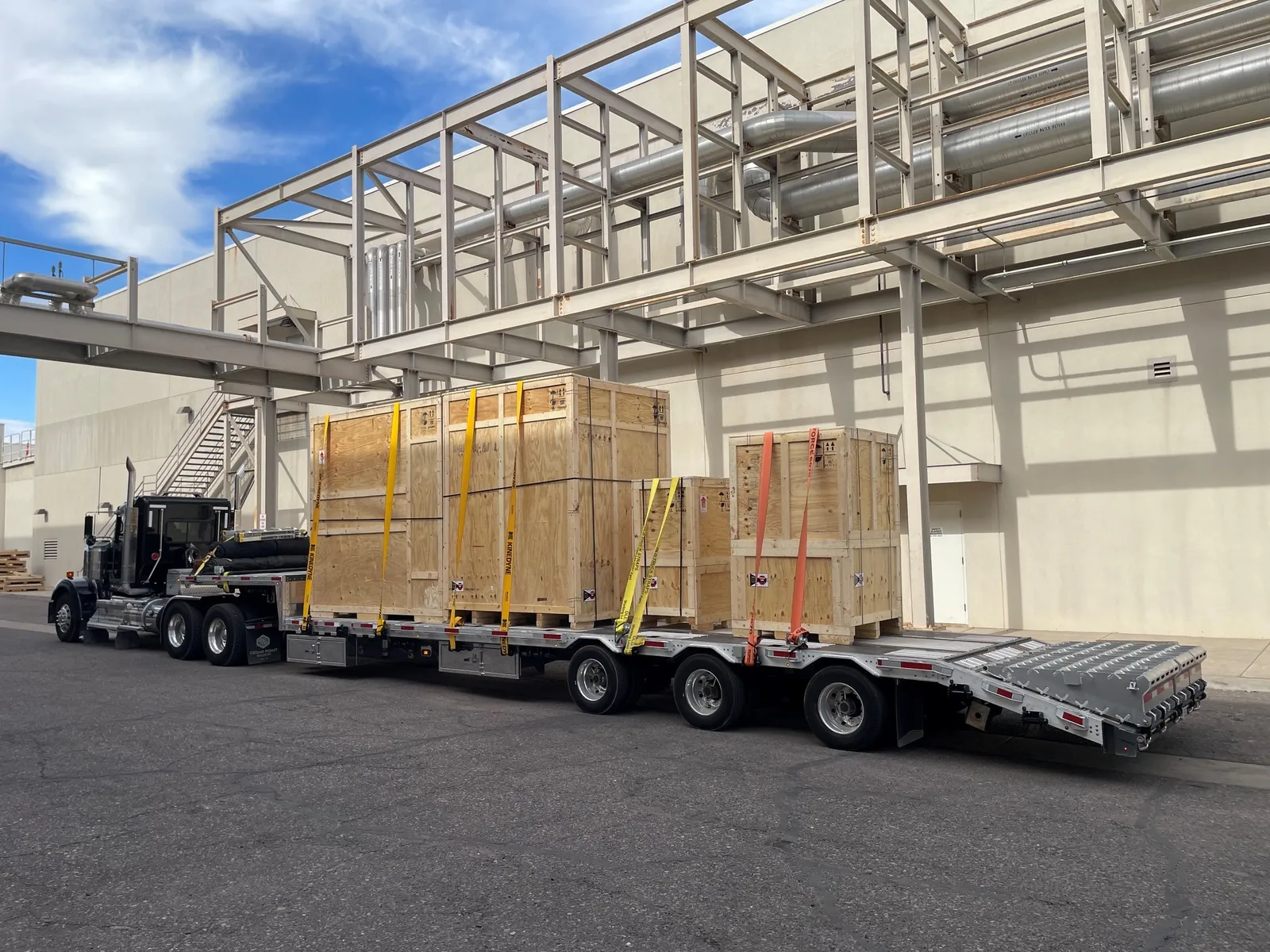
Coming Off the Port? Shared Trucks Work There Too
A lot of machinery bound for Texas lands at Long Beach or Los Angeles first. Once it is out of the container and sitting at a warehouse, it is a natural fit for a shared truck. We regularly coordinate pickups from port area warehouses and work with importers and freight forwarders who need the domestic leg handled.
If the machine is still in a container, start with port drayage and move it to a shared deck after it is unloaded. If it is ultimately headed to Mexico, our Haas Mini Mill move to Laredo explains why a partial truckload to a border receiver is often the more economical route.
What to Send for a Shared Truckload Quote
The sooner we have these details, the sooner our network of carriers can find space on the right truck:
- Machine make, model, and quantity
- Crated or skid length, width, height, and weight
- Photos of the machine and how it is packed
- Pickup and delivery ZIP codes
- Forklift, dock, or rigger details at both ends
- Ready date and your real delivery deadline
- Any must-haves, such as air-ride or keeping it out of the rain
Curious how other shippers felt about working with us? Read our customer testimonials.
Shared Truckload Machinery FAQs
What is a shared truckload for machinery?
It is one truck carrying freight from more than one shipper. Your machine takes part of the deck and other freight takes the rest, so you are not reserving the whole trailer on your own. You may also hear it called a partial truckload or PTL.
Is a shared truckload cheaper than a full truckload?
It often is when your machine uses only part of the deck and suitable shared capacity is available on the lane. It is not a sure thing. The lane, trailer type, pickup day, and what else is moving all affect the price, so we quote each shipment on its own details.
Is a shared truckload safe for a CNC machine?
It can be, when the machine is crated or shrink wrapped, sits on dunnage, is chained or strapped at proper points, and is tarped when weather calls for it. Ask for loaded photos before the truck leaves, and check them yourself.
How long does a shared truckload take from Los Angeles to Texas?
Plan on a little more time than a dedicated truck, because the driver may make other pickups and drops along the way. Give your coordinator your ready date and your real deadline, not a padded one, and we will tell you honestly if a shared truck fits it.
When should I book a full truckload instead?
Book a full truckload when your freight fills the deck, is too heavy or tall to share space, or has a hard deadline that cannot flex around another stop. Very large or overweight machines may need heavy haul instead.
What should I send to get a shared truckload quote?
Send the machine make and model, crated or skid dimensions, weight, photos, pickup and delivery ZIP codes, dock or forklift details at both ends, and your ready date. Tell us early if the machine cannot get wet.
Shipping more freight on this lane? See our Los Angeles to Dallas freight shipping page for trailer options, route basics and oversize permit tips.
Helpful Pages for Planning This Shipment
Shipping Machinery Out of Los Angeles?
Send IZ Freight your machine details, dimensions, weight, photos, and pickup and delivery locations. We will check shared truckload space on your lane and tell you straight whether a shared truck or a dedicated one makes more sense.