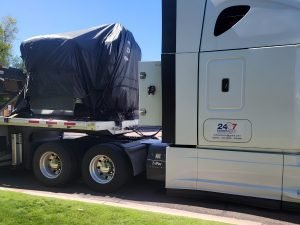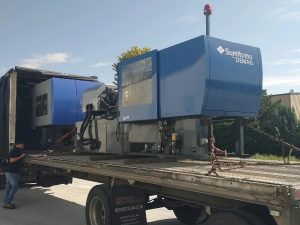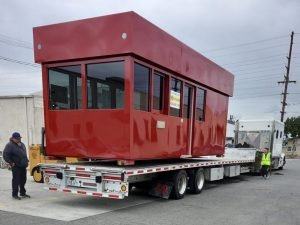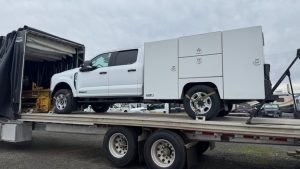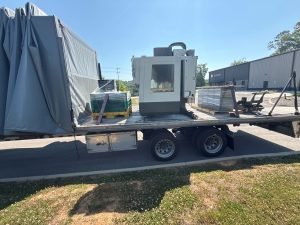
The Ports of Los Angeles and Long Beach are the primary gateways for global commerce on the West Coast, and that includes a massive volume of heavy construction equipment. Moving a brand-new excavator, a massive bulldozer, or a towering crane from a vessel to a jobsite is a high-stakes, precision operation. It’s far more than just a simple haul; it’s a complex logistical puzzle where a single misstep can lead to millions in damages and project-halting delays. This guide provides insight into what it takes to successfully execute heavy equipment transport from LA’s bustling ports.
Phase 1: The Pre-Arrival Strategic Plan
The success of a port-to-jobsite move is determined long before the equipment hits the dock. It begins with meticulous planning:
- Customs & Documentation: Ensuring all import documents, customs clearances, and Bill of Lading (BOL) details are flawless is the first hurdle. Any discrepancy can trap your machine in the port, racking up costly demurrage fees.
- Machine Specs Verification: We work with you to confirm the exact dimensions (Length x Width x Height) and weight of the equipment. This data is non-negotiable and dictates the entire transport strategy.
- Terminal & Stevedore Coordination: We coordinate directly with the specific port terminal and the stevedores responsible for offloading your machine from the vessel. This ensures a smooth transition from ship to shore.
Phase 2: Selecting the Right Heavy Haul Trailer
Choosing the correct trailer isn’t just a suggestion; it’s a requirement dictated by the machine’s size and weight. The wrong choice means the transport is a non-starter.
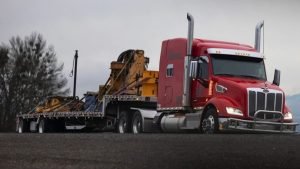
- For Extreme Weight & Height (RGNs): A Removable Gooseneck (RGN) trailer is the go-to for most heavy construction equipment. Its ability to detach and lower to the ground creates a ramp, allowing machinery like excavators and bulldozers to be driven directly onto the trailer. This is the safest and most efficient loading method.
- For Taller Equipment (Step Decks & Lowboys): For equipment that is tall but not excessively heavy, a step-deck or double-drop lowboy trailer provides the necessary height clearance to navigate under freeway overpasses without requiring expensive high-pole escorts.
- Route & Permit Planning: Based on the final loaded height and weight, we secure all necessary oversized and overweight permits from the state of California and any other states on the route. We meticulously plan the path to avoid restricted roads and bridges.
“In heavy haul, the trailer is your most important tool. The right one makes a complex job possible; the wrong one makes it impossible.”
Phase 3: The Jobsite Delivery
The final mile is just as critical as the first. We coordinate the delivery to ensure the destination is prepared:
- Site Accessibility: We confirm the jobsite has adequate space for a large truck and trailer to enter, maneuver, and offload safely.
- Offloading Coordination: Whether it’s driving the machine off an RGN or coordinating with a crane for lifting, the final offloading process is planned in advance to ensure a safe and efficient conclusion to the journey.