Conestoga Steel Shipping From the Los Angeles and Long Beach Ports
Conestoga steel shipping gives Los Angeles importers weather-protected open-deck transportation with side or overhead loading access. When steel arrives inside an ocean container, the usual plan is to dray the container to a capable warehouse, unload or transload the steel, return the empty container, and send the cargo inland on the trailer that fits the freight and receiving site.
The lowest first-line truck rate is not always the lowest completed cost. A workable plan must account for terminal pickup, container and chassis time, empty return, steel handling, outbound equipment, cargo protection, appointments, and the receiver’s unloading method.
IZ Freight coordinates Los Angeles and Long Beach port freight, transloading, and nationwide open-deck delivery. This guide explains when a Conestoga is useful and provides customer-facing 2026 drayage planning ranges for budgeting.
Why Use a Conestoga Trailer for Imported Steel?
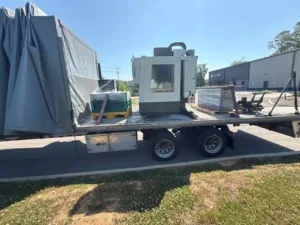
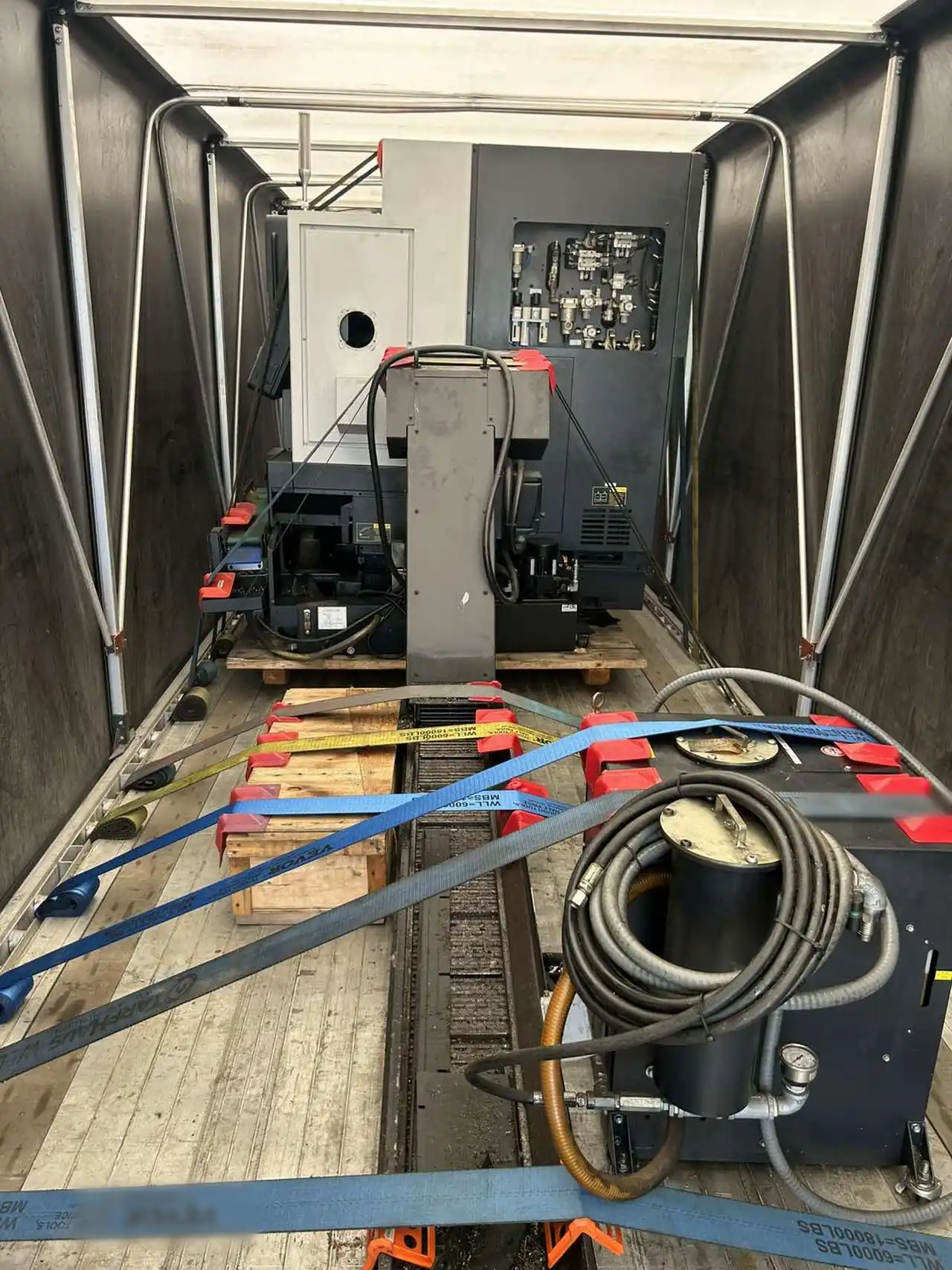
A Conestoga can protect compatible steel products from direct road and weather exposure while retaining the loading access of an open-deck trailer. It is especially useful when a crane or side-loading forklift cannot work through the rear doors of a dry van.
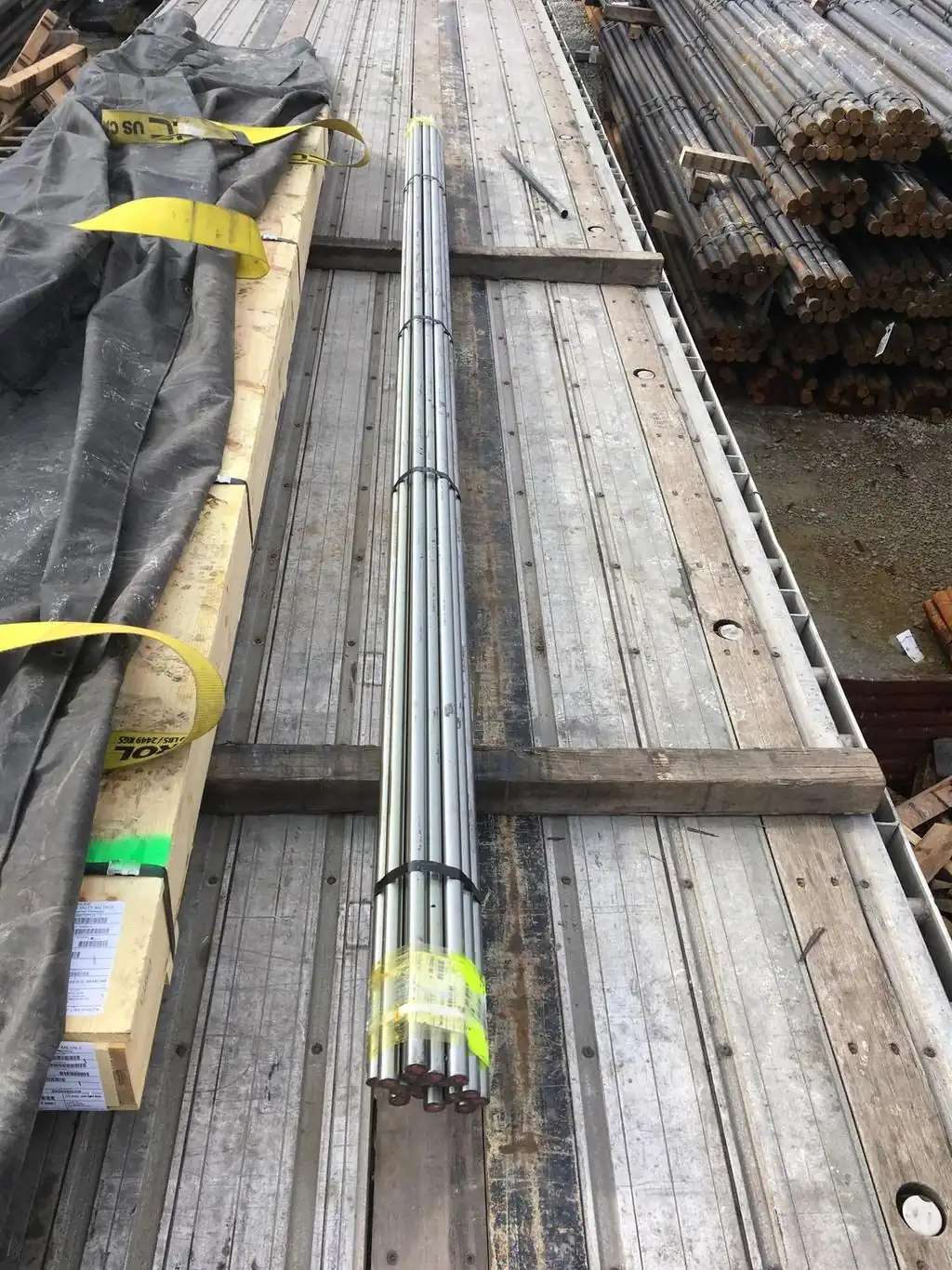
Common candidates include bundled tubing, fabricated steel, plate, sheet products, structural components, and certain properly planned coil shipments. The actual trailer must be confirmed against the weight, dimensions, concentrated loading, support points, loading method, and enclosure clearance.
A Conestoga is weather-resistant, not airtight or climate-controlled. Packaging, dry handling, condensation risk, surface protection, and manufacturer requirements still matter. The retractable cover also does not replace the cargo-securement system.
Live Unload or Transload: Which Steel Delivery Plan Fits?
A live unload can work when the receiver is close enough, can safely unload the container, and can finish within the agreed waiting allowance. A transload is often the better operational fit when the receiver needs side or overhead access, the container must be returned quickly, or the steel is continuing a long distance.
| Plan | Best fit | Budget must include |
|---|---|---|
| Port drayage with live unload | A capable local receiver with confirmed equipment and a short unloading window | Container pickup, delivery, driver time, chassis, port fees, and empty return |
| Container drop and later recovery | An approved site that needs additional unloading time and can retain the container on chassis | Delivery, equipment time, recovery trip, empty return, and added chassis days |
| Local transload plus Conestoga | Crane or side access, sensitive steel, multiple deliveries, or long-distance inland transportation | Local container cycle, warehouse labor, lifting equipment, outbound trailer, securement, protection, and final delivery |
For long-distance freight, local transloading can prevent an ocean container and chassis from remaining tied up during the inland trip. It also allows IZ Freight to match the steel to a flatbed, step deck, Conestoga, or another suitable trailer instead of forcing the entire move around the container.
What Drives Los Angeles Port Drayage Cost?
Local drayage typically runs in the hundreds to low thousands depending on wait time and distance. Where your container lands in that spread comes down to a handful of things we look at on every move.
- Distance: a turn to a Long Beach or Carson warehouse is a short day. A run out to Ontario, Fontana or the rest of the Inland Empire takes more hours and more fuel.
- Wait time: terminal lines, appointment windows and how long it takes to unload at your dock all add up. Detention starts once free time runs out.
- Chassis: chassis rental is billed by the day, and heavy or special chassis cost more than a standard one.
- Port fees: terminal charges, the Traffic Mitigation Fee, Clean Truck Fund charges, pre-pull, storage and demurrage depend on the terminal and on your last free day.
- Fuel: the fuel surcharge moves with diesel prices, so the same move can cost more or less from month to month.
Other things that can add cost: overweight permits, hazmat, reefer service, split moves, redelivery, weekend work, warehouse labor, crane or forklift handling, and the outbound linehaul if the steel keeps going on a Conestoga.
How a Port-to-Conestoga Steel Transload Works
The best transload plan coordinates the container release, warehouse, handling equipment, empty return, and outbound trailer before the port pickup occurs. That keeps each part of the move connected and reduces avoidable container time.
1. Confirm the Container and Release
Provide the terminal, ocean carrier, container number and size, cargo release status, last free day, gross cargo weight, packaging details, and current empty-return instructions. A vessel arrival notice does not by itself confirm that the container is ready for pickup.
2. Match the Warehouse to the Steel
The facility must have enough space and appropriately rated equipment for the individual steel units. Long bundles, dense plate, coils, and fabricated components may require different forklifts, cranes, support materials, and handling plans.
3. Inspect and Document the Transfer
Counts, identification marks, packaging, and visible condition should be documented at the handoff. Any sorting, storage, repacking, or split delivery should be agreed upon before the container is unloaded.
4. Return the Empty and Dispatch the Inland Trailer
After unloading, the empty container and chassis follow their authorized return instructions. The steel is then loaded, supported, secured, protected, and delivered on the confirmed domestic equipment. The empty return and the inland truck can proceed on separate schedules instead of keeping the ocean equipment in the long-haul cycle.
What IZ Freight Needs to Plan the Steel Shipment
Accurate package-level information determines whether the steel can move on one trailer, which equipment fits, and how the warehouse should prepare for the transfer.
- Port, terminal, ocean carrier, container size, and availability information
- Last free day and requested pickup timing
- Steel type, packaging, number of units, and photographs
- Individual and total weights plus package dimensions
- Required support, lifting, surface protection, or indoor-handling instructions
- Final destination and delivery appointment requirements
- Receiver’s crane, forklift, dock, side-loading, and site-access capabilities
- Cargo value and any written request for additional valuation or special coverage review
What Changes for In-Bond, Canada, or Mexico Steel Shipments?
Cross-border or unreleased steel requires a confirmed customs plan before pickup or transloading. Returning the ocean container does not close an in-bond movement, and moving freight through Los Angeles does not change the steel’s country of origin.
The importer and customs professional should confirm release status, bond responsibility, permitted transfer or storage, filings, border crossing, destination-country entry requirements, and who reports arrival or export. IZ Freight can coordinate the transportation scope after those responsibilities and the eligible carrier arrangement are confirmed.
Cross-border pricing should identify the U.S. truck movement, border or transfer work, destination-country linehaul, customs-related transportation charges, and final unloading. Duties, taxes, permits, customs brokerage, and government fees should remain separately identifiable unless a written proposal expressly includes them.
Los Angeles Conestoga Steel Shipping FAQs
These answers address common planning questions, but the cargo, container, terminal, warehouse, and receiving site must still be reviewed for the actual shipment.