
Team Flatbed Los Angeles to Chicago: 2,000 Miles in About 2 Days
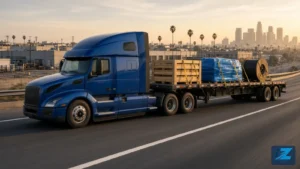
Team flatbed Los Angeles to Chicago service puts two drivers in one truck so your steel, machinery, or building materials keep moving while one of them sleeps. The lane runs about 2,000 miles, and a team can cover roughly 1,000 miles a day, so delivery in about two days is realistic. A solo driver on the same lane usually needs four days or more.
That gap matters when a Chicago job is waiting on steel or a plant needs a machine set before a line restart. Team service costs more than solo, so it pays off when two saved days are worth more to you than the difference in the rate.
The Lane at a Glance
Typical planning numbers for this lane. Your quote confirms the real schedule.
| Lane item | Typical detail |
|---|---|
| Origin | Los Angeles and Southern California (Los Angeles, Long Beach, Inland Empire, Orange County) |
| Destination | Chicago, Illinois and the surrounding area |
| Distance | About 2,000 miles |
| Team transit | About 2 days, at roughly 1,000 miles a day |
| Solo transit | Usually 4 days or more |
| Equipment | Flatbed, Conestoga, or step deck with a team of two drivers |
| Common freight | Steel, machinery, building materials, crated equipment |
How Team Service Works Inside the Hours of Service Rules
Federal hours of service rules limit how long one driver can drive. In simple terms, a property carrying driver can drive up to 11 hours after 10 hours off duty, cannot drive past the 14th hour after coming on duty, and needs a 30 minute break after 8 hours of driving.
A team works around that by splitting the clock. Driver one drives a shift while driver two rests in the sleeper berth, then they swap. Each driver still follows their own limits, but the truck itself only stops for fuel, inspections, and the swap. That is how about 1,000 miles a day happens legally.
IZ Freight books team service through a carrier network powered by Armstrong Transport, which has team drivers for flatbeds, step decks, hotshots, and sprinter vans on expedited freight. We also dispatch owner operators on other loads, and on a team run we stay in touch with the driver and carrier so you get location updates from Southern California to Chicago.
Five Trailer Types for Team Freight Out of Los Angeles
Team service is about the drivers, not the trailer, so you can pair it with the equipment your freight needs. IZ Freight offers these five, and our trailer types guide has full specs.
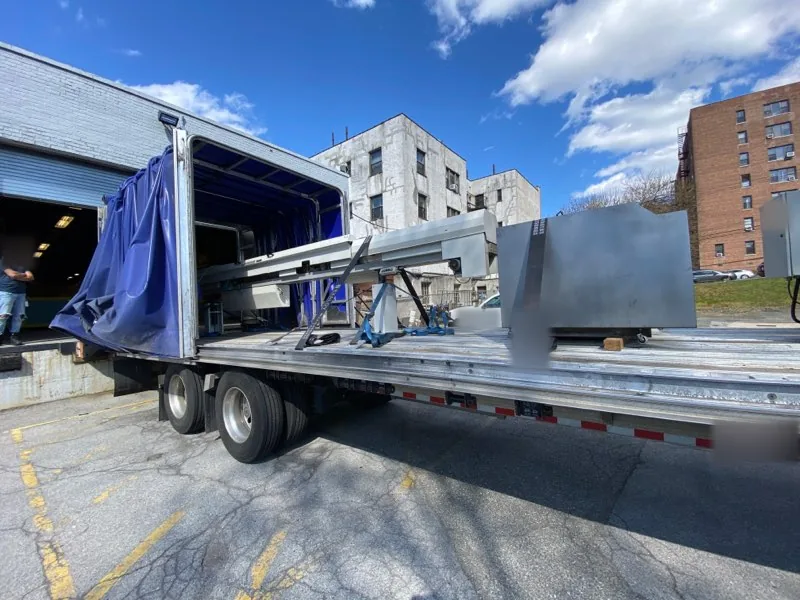
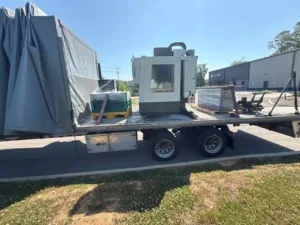
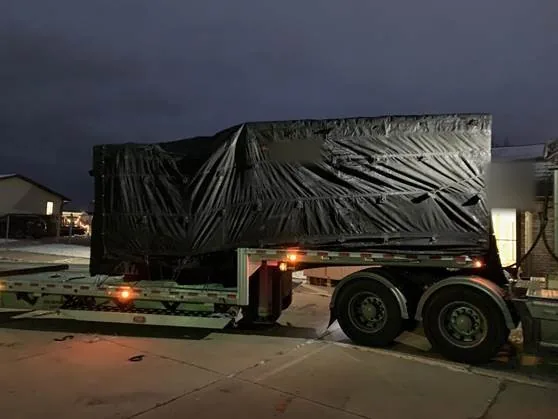
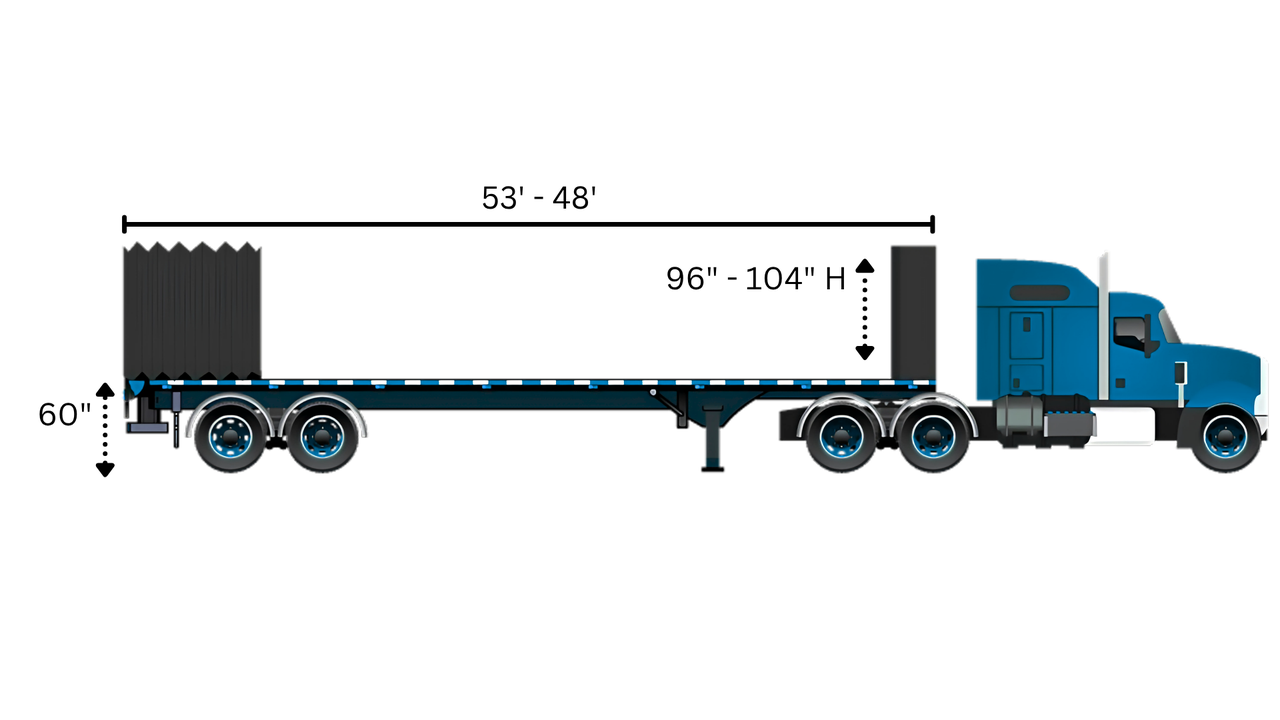
A flatbed with a rolling tarp system. It loads from the side or top like an open deck, then closes up for weather. Dims: 48 to 53 ft, about 96 to 104 in inside height. Typical use: machinery, electronics enclosures, finished steel, anything that should stay dry and clean.
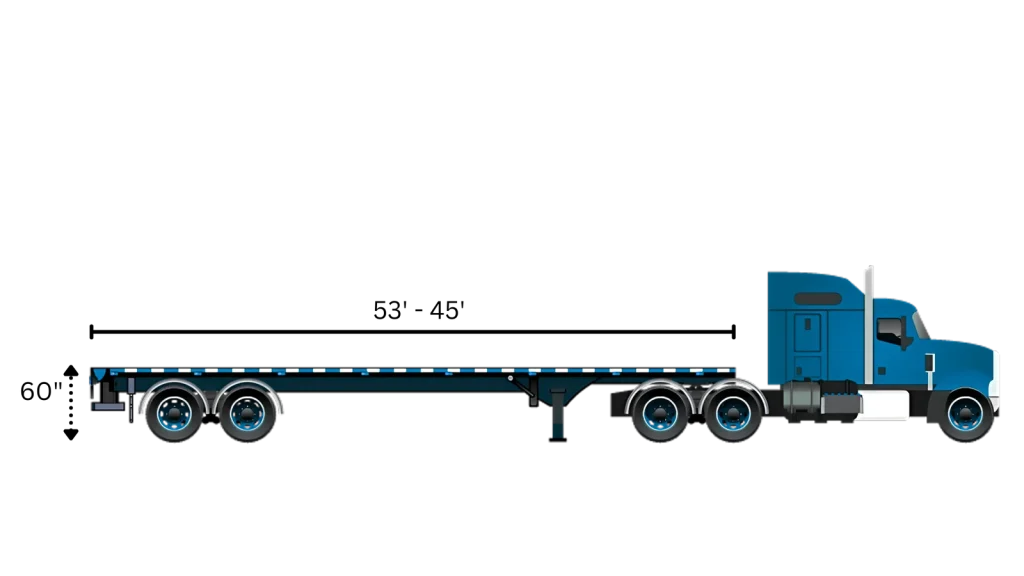
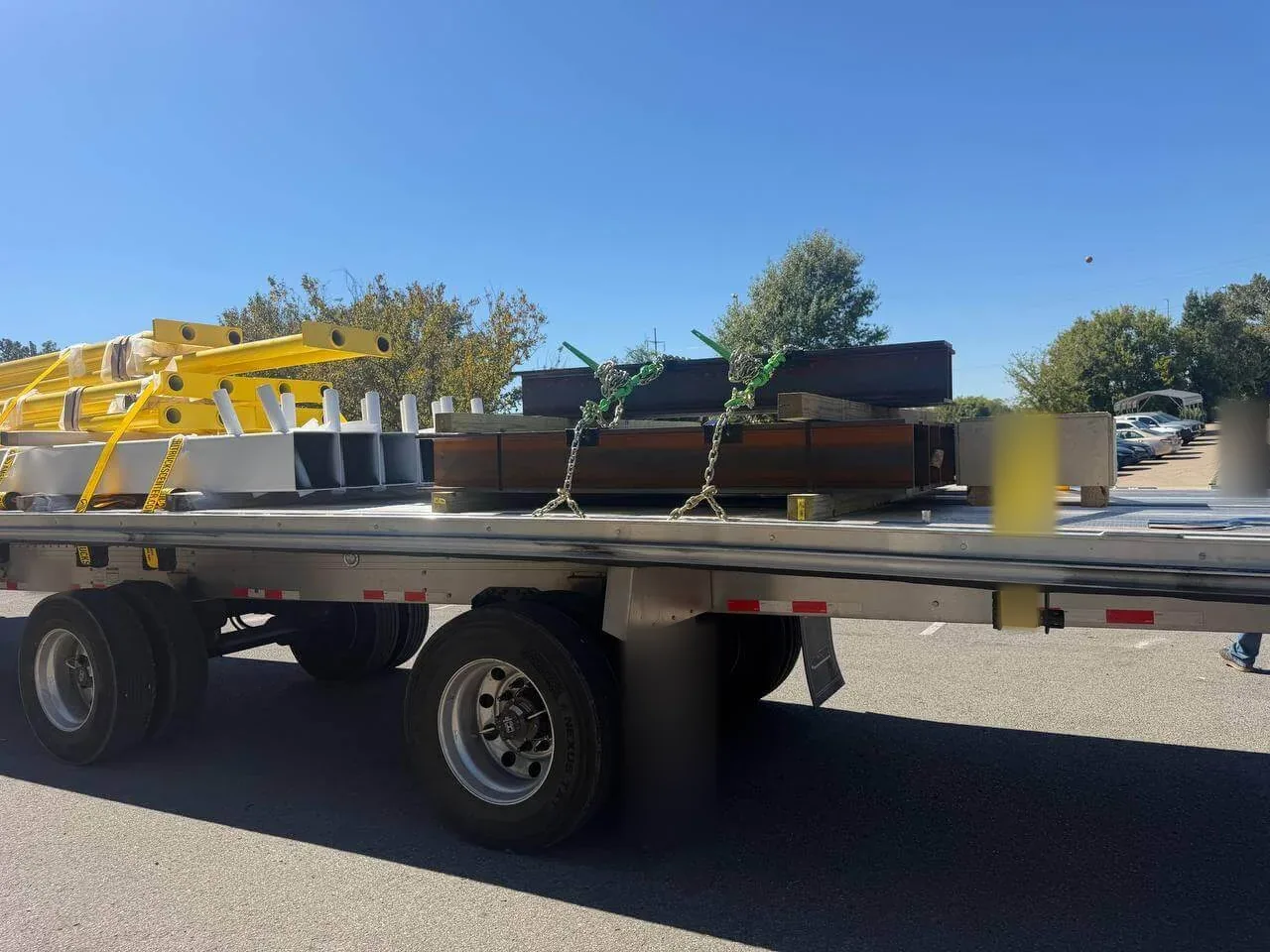
The open deck workhorse, 8 feet 6 inches wide, loaded from the sides or overhead. Dims: 45 to 53 ft deck, about 60 in deck height. Typical use: steel, lumber, building materials, shrink wrapped or crated machinery that can take a tarp.
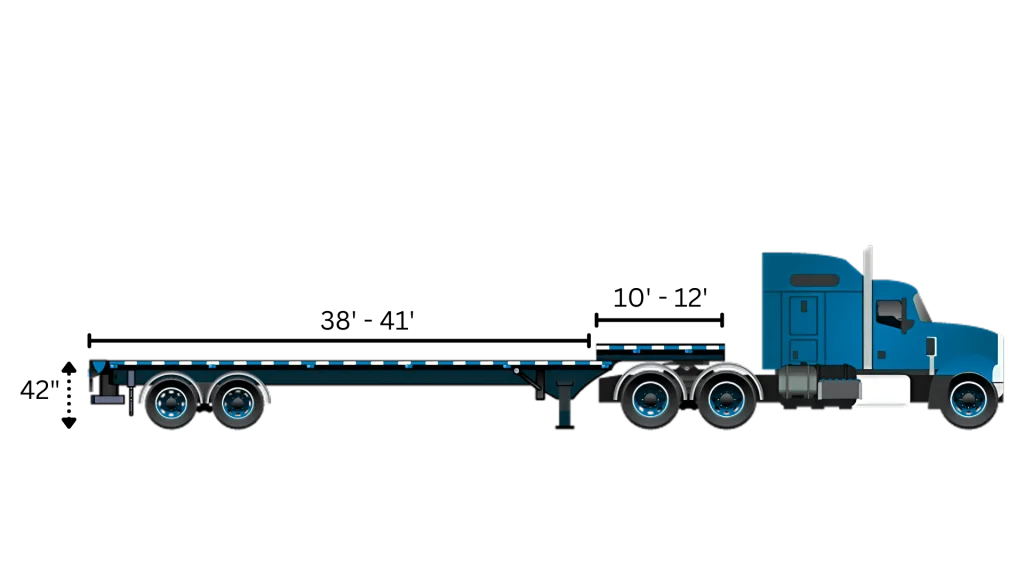
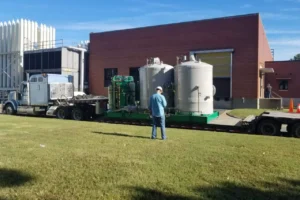
A lower main deck lets taller freight ride without going over legal height, with cargo up to about 10 feet high. Dims: 38 to 41 ft lower deck plus 10 to 12 ft upper deck. Typical use: tall machinery, equipment, and loads that would be over height on a standard flatbed.
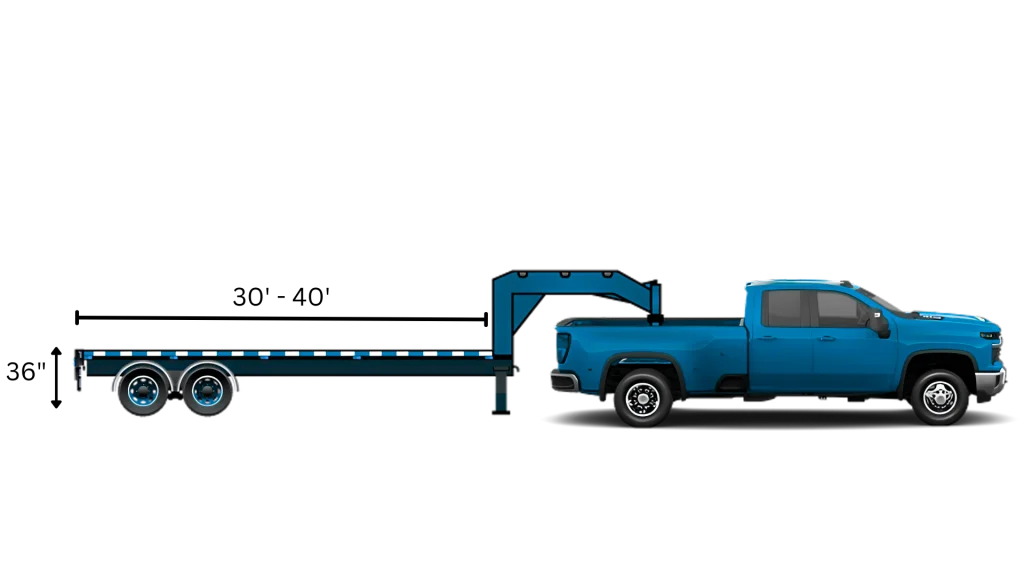
A heavy duty pickup with a gooseneck flatbed. Smaller and faster to book than a full semi. Dims: 30 to 40 ft gooseneck. Typical use: time sensitive partial loads, a single machine or a few crates, up to about 16,500 pounds of freight.
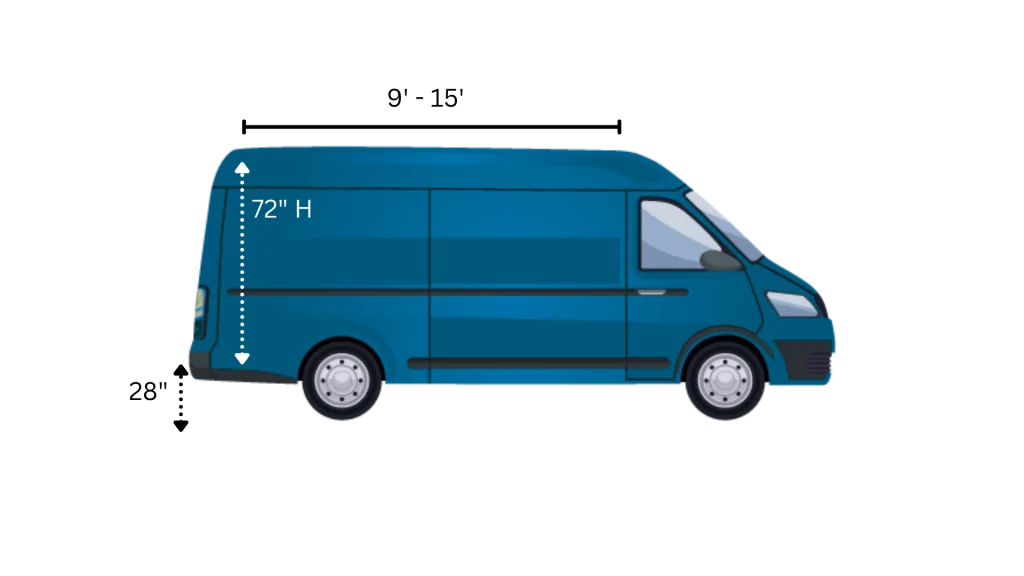
An enclosed cargo van for small, urgent freight. Quick to book, and it can run team for long expedited trips. Dims: 9 to 15 ft cargo area, about 72 in tall. Typical use: one or two pallets, parts, boxed materials that need to arrive fast.
Swipe or scroll sideways to see all five trailer types.
Pro Tips for Team Flatbed Los Angeles to Chicago Loads
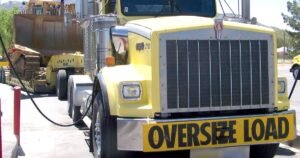
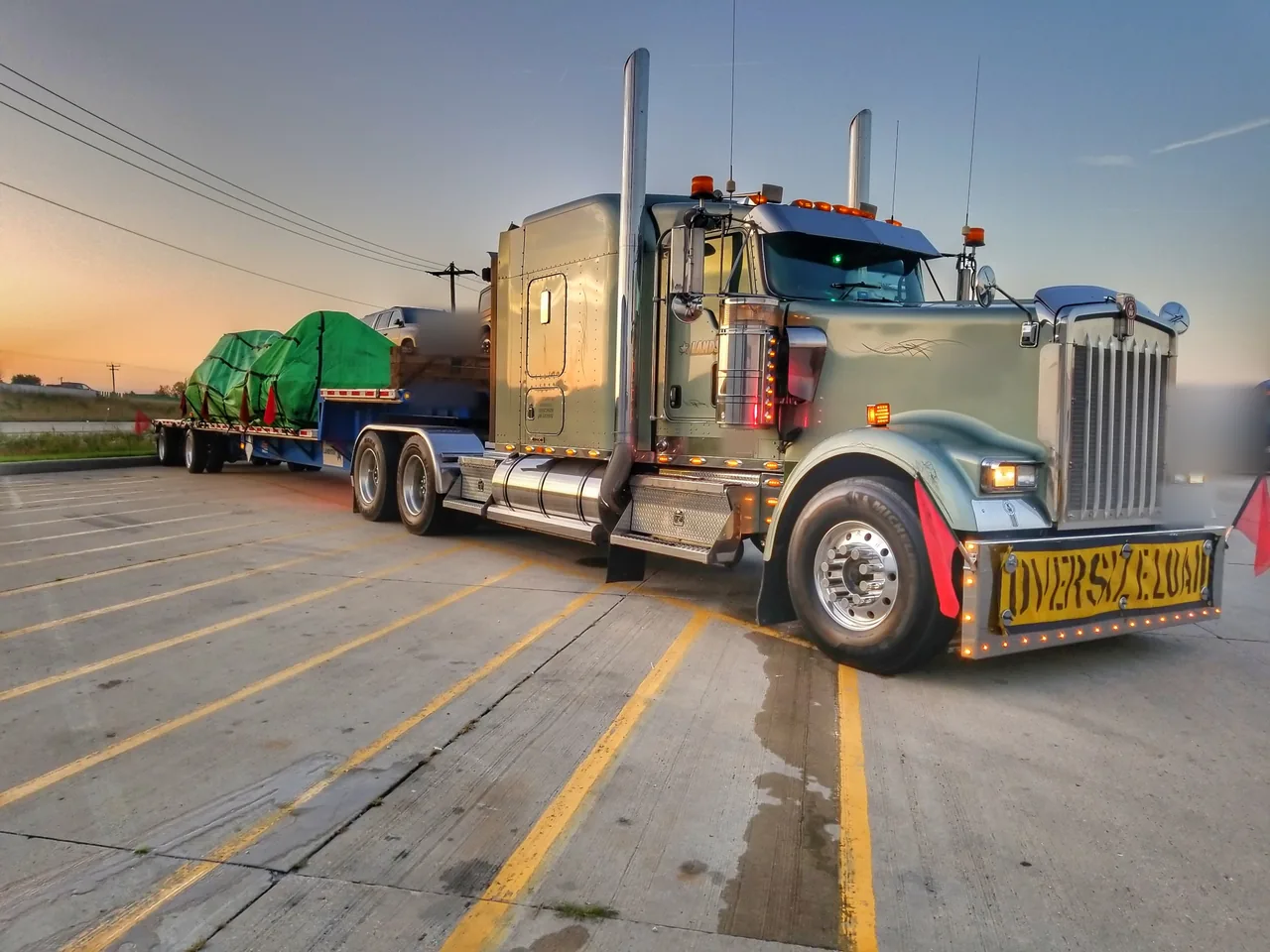
Oversize loads do not work on a team schedule
This is the big one. Most states do not allow oversize loads to travel at night, and many also restrict weekends and holidays. A team truck with an oversize permit has to park at sunset like everyone else, so the second driver buys you almost nothing. Make sure your load is legal size if you want team speed.
Legal limits are generally about 8 feet 6 inches wide and roughly 13 feet 6 inches tall loaded, but every state on the route sets its own width, length, and height limits and permit rules. Verify your dimensions with us before booking. If the load is oversize, plan for a slower solo or permitted schedule from the start.
Send accurate dimensions and weight
Give the real length, width, height, and weight of every piece, including pallets or skids. A load that shows up taller or heavier than quoted can need a different trailer or a permit, and that costs the time you paid a team to save.
Securement and tarps
The motor carrier and driver evaluate and maintain securement, and they need accurate weights, lift points, and freight that can be handled safely. On a flatbed, tarping adds time at pickup. A Conestoga’s rolling tarp closes in minutes and keeps freight dry through rain or snow on the way east. Our Conestoga steel shipping guide covers that tradeoff.
Plan the Chicago delivery
Many Chicago area receivers run on appointments and expect a dock. Flatbed and Conestoga freight unloads from the side or top, so confirm the receiver has a forklift or crane and room to work beside the trailer. Book the appointment early so a two day run does not sit outside a closed gate.
Be ready at pickup
Have the freight staged, paperwork done, and a loader on site when the truck arrives. A slow load in Los Angeles is the easiest way to lose a day.
What Drives Team Flatbed Cost
- Two drivers and a dedicated truck instead of one
- Trailer type: flatbed, Conestoga, step deck, sprinter van, or hotshot
- Weight, dimensions, and whether tarps are needed
- Pickup readiness and how tight the delivery window is
- Accessorials like detention, appointments, or extra stops
- Capacity and season out of Southern California that week
For other lanes and equipment, see our Los Angeles freight services and full truckload pages.
What to Send for a Team Flatbed Quote
- Pickup city and ZIP in Southern California and the ready date
- Chicago area delivery address, receiver hours, and appointment needs
- Commodity, piece count, dimensions, and weight for every piece
- Whether the freight must stay dry (Conestoga or tarps)
- How it loads and unloads: forklift, crane, or dock
- Photos of the freight as it will ship
Team Flatbed FAQ
How long does team flatbed take from Los Angeles to Chicago?
About two days for the roughly 2,000 mile run, because two drivers trade shifts and keep the truck moving close to around the clock. Pickup timing, weather, and the receiver’s hours can change that, so confirm the plan when you book.
Can an oversize load ship with team drivers?
Usually not on a team schedule. Most states only allow oversize travel during daylight and often restrict weekends and holidays, so the truck has to park at night no matter how many drivers are on board. Plan an oversize load as a permitted solo move.
Is team flatbed service more expensive than solo?
Yes, generally. You are paying for two drivers and a dedicated truck that runs nearly nonstop. What you get back is time, often two or more days on this lane.
Should I pick a flatbed or a Conestoga for Chicago?
Pick a Conestoga when the freight has to stay dry or clean and still loads from the side or top. A flatbed with tarps works for steel and freight that handles weather well, and it can be quicker to find.
Helpful Pages for Planning This Shipment
Need Freight in Chicago in Two Days?
Send the freight details, dimensions, weight, and dates, and we will check team flatbed Los Angeles to Chicago options, including Conestoga and step deck, for you.