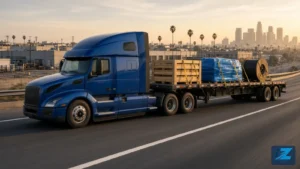

Conestoga trailer shipping in Los Angeles is a practical option for machinery and industrial freight that needs side or top loading plus a retractable cover. It gives shippers much of the loading flexibility of an open deck while helping reduce exposure to weather and road debris during transit.
Quick answer: A Conestoga-style trailer is often worth considering when a dry van cannot provide the required loading access and a standard flatbed with manual tarps is not the preferred protection method. The freight still must fit the exact trailer, be properly packaged, and be secured independently of the rolling cover.
What Is a Conestoga Trailer?
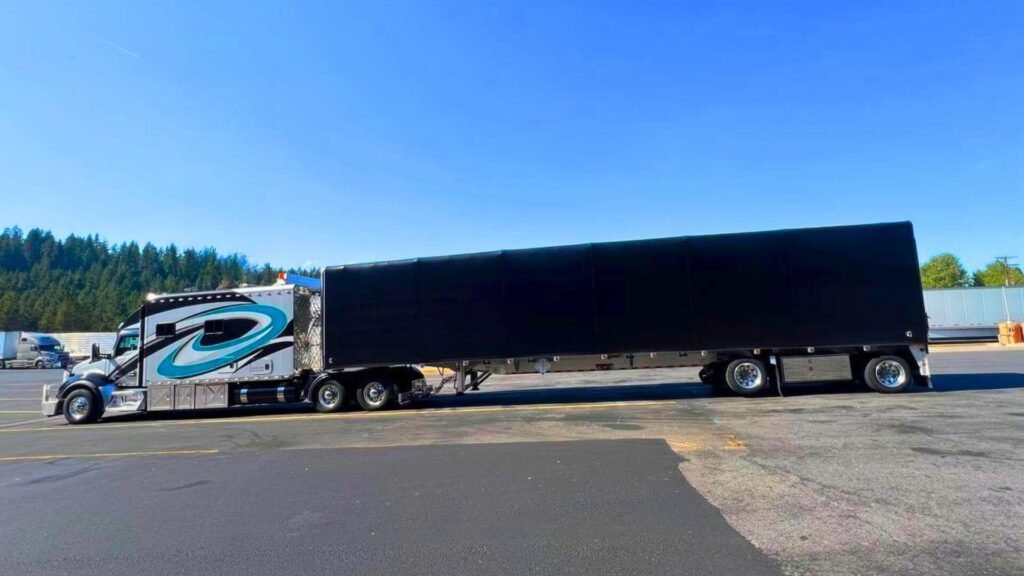
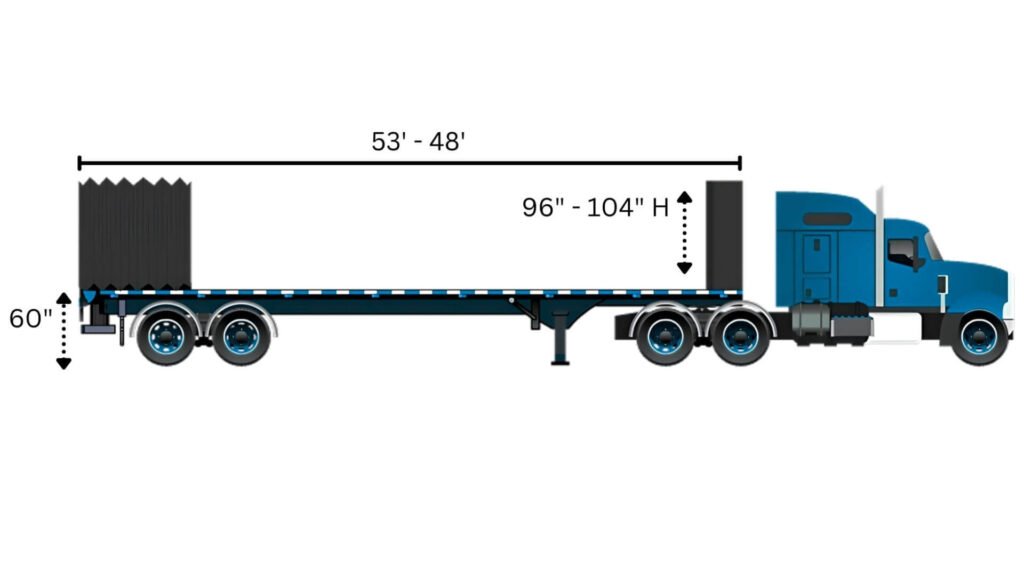
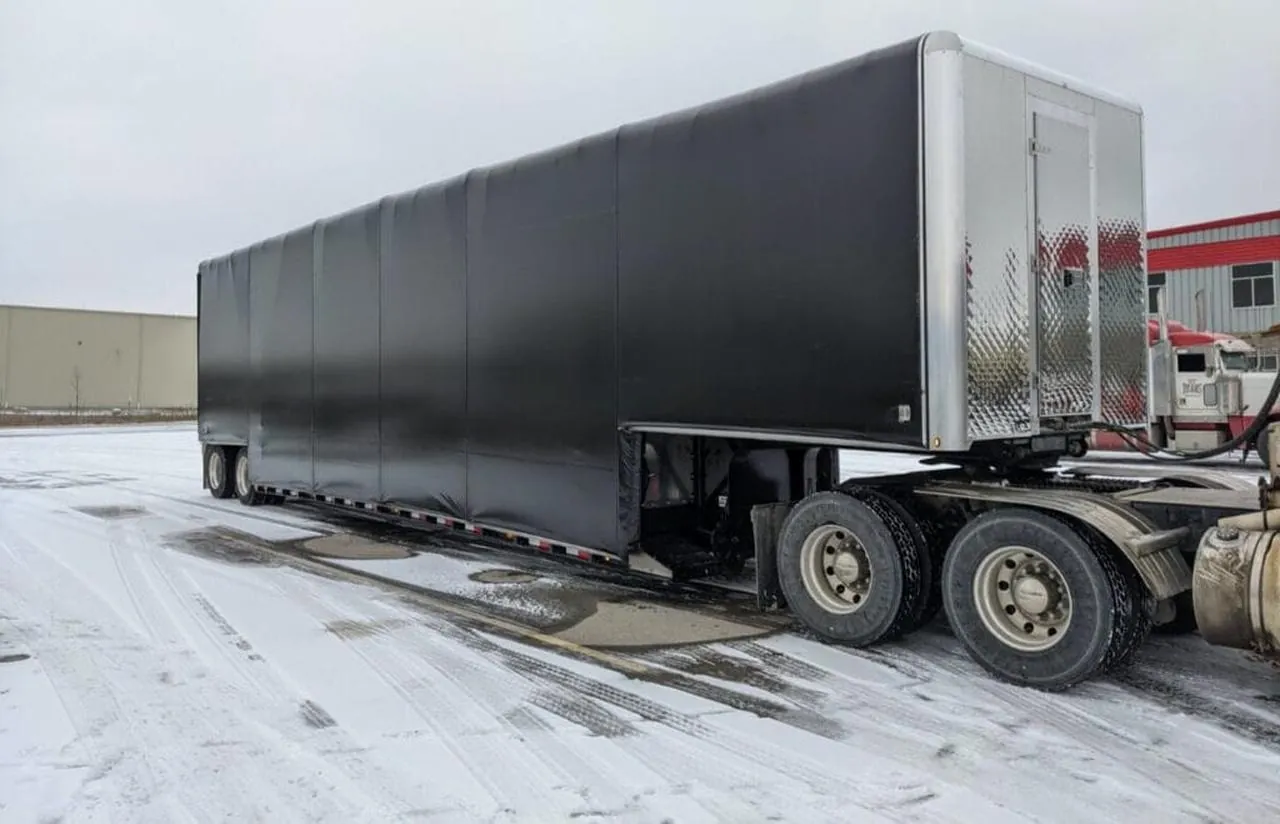
A Conestoga trailer uses a rolling tarp enclosure mounted on tracks over an open-deck trailer. The enclosure retracts for loading, then closes around freight for transit.
The original Aero Conestoga rolling tarp system was introduced in 1984. Depending on the specific configuration, the system can provide side, rear, or top access without requiring workers to place a loose tarp directly over the cargo.
Conestoga systems are available on different trailer configurations, including flatbed and step-deck arrangements. Inside height, deck length, payload, rear opening, and tarp clearance are not universal, so the actual trailer must be matched to the shipment before dispatch.
Why Los Angeles Shippers Use Conestoga Trailers
Los Angeles shippers use Conestoga trailers when industrial freight needs open-deck loading access and a retractable enclosure. This combination can simplify pickup at machine shops, rigging yards, fabrication facilities, dealers, and project sites.
Side and Top Loading Access
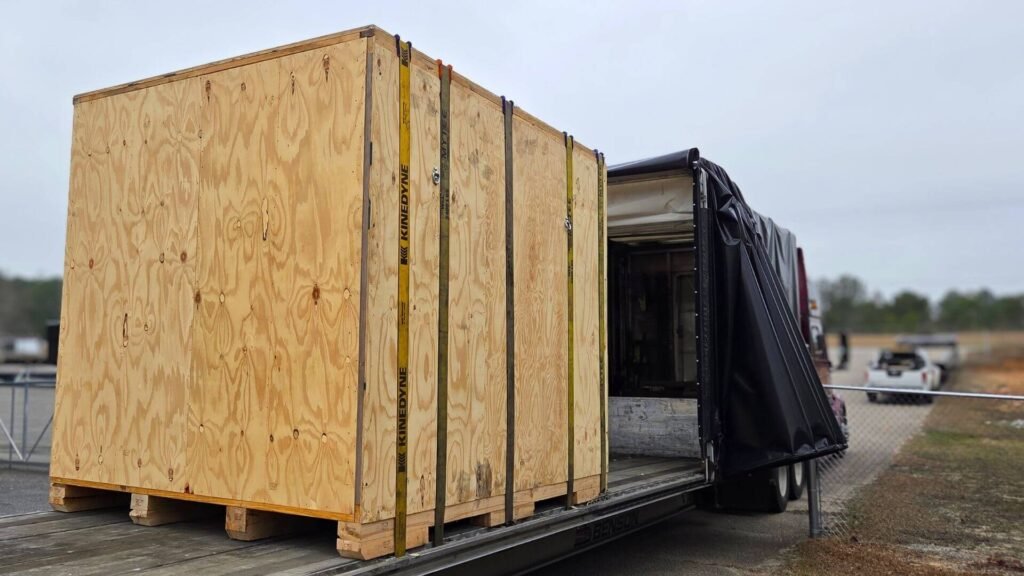
When the enclosure is retracted, a forklift can approach from the side or a crane can load from above, subject to the facility plan and the trailer configuration. That access can be valuable at industrial locations where dock-height rear loading is not possible.
Protective Rolling Cover
Once closed, the rolling enclosure helps shield freight from rain, sun, dust, road spray, and debris. It also avoids draping a loose tarp across delicate finishes, guards, controls, or irregular surfaces. It is not a substitute for moisture-resistant packaging when the commodity requires it.
Useful for Direct Industrial Moves
A dedicated Conestoga can support a direct pickup and delivery plan with fewer handling points. IZ Freight coordinates appointment windows, loading equipment, site access, trailer fit, and carrier communication for moves throughout Los Angeles, Southern California, and nationwide.
What Freight Can Move on a Conestoga Trailer?
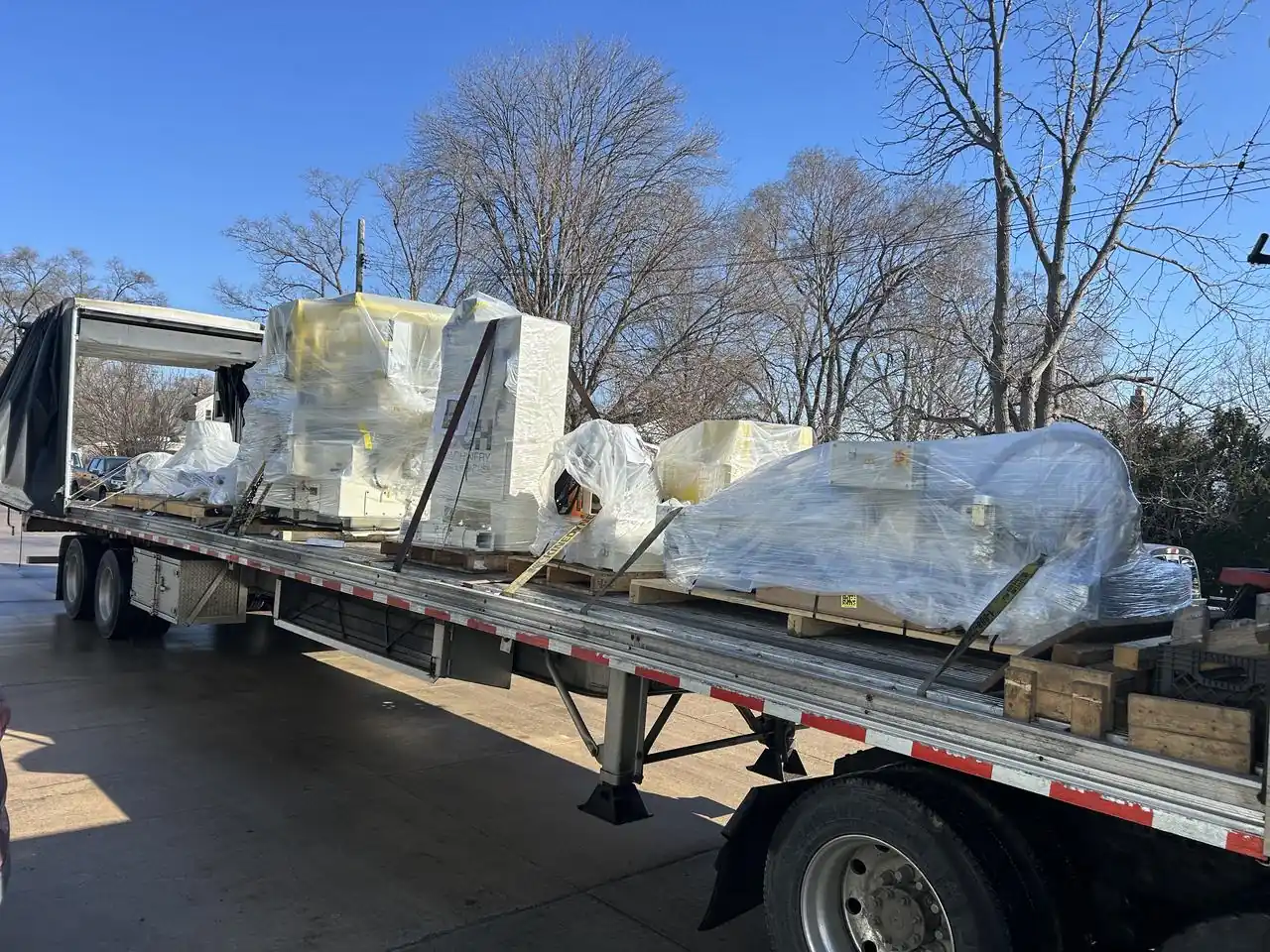
Conestoga trailers commonly support weather-sensitive machinery, fabricated products, and industrial freight that can be safely loaded on an open deck. Suitability depends on exact dimensions, weight, center of gravity, packaging, and securement points.
| Freight type | Why a Conestoga may fit | Confirm before booking |
|---|---|---|
| CNC mills, lathes, and machining centers | Open access can support rigging while the rolling cover helps reduce exposure in transit. | Machine dimensions, weight, base securement points, center of gravity, and cover clearance. |
| Robotics and automation cells | Useful when components need crane or forklift access and should remain covered. | Crating, loose components, sensitive controls, dimensions, and lift plan. |
| Electrical cabinets and switchgear | Provides flexible loading for tall or heavy units with a cover that does not need to drape across them. | Packaging, moisture sensitivity, tip risk, tie-down locations, and internal height. |
| Compressors, generators, and skidded power units | Can accommodate forklift or crane loading while helping protect finished components. | Fluids, batteries, permits, concentrated weight, and approved securement points. |
| Printing and packaging equipment | Open-deck loading can suit large footprints that are difficult to place through dry-van doors. | Section count, footprint, weight distribution, crating, and loading equipment. |
| Aerospace tooling and precision fixtures | Supports large or irregular pieces that benefit from careful loading and covered transit. | Value, packaging, sensitivity, approved contact points, and shipment-specific insurance terms. |
| Crated machinery and fabricated assemblies | A practical option for freight that needs side access and additional shielding from the road. | Crate condition, base construction, total dimensions, weight, and loading method. |
Conestoga vs. Flatbed With Tarps vs. Dry Van
A Conestoga sits between a conventional open deck and a dry van: it offers retractable side and top access with a rolling enclosure. The right choice depends on how the freight loads, its dimensions, and the protection it requires.
| Feature | Conestoga-style trailer | Flatbed with manual tarps | Dry van |
|---|---|---|---|
| Loading access | Side, top, or rear access can be available when the system retracts. | Broad side and top access. | Primarily rear-door and dock loading. |
| Cover method | Track-mounted rolling enclosure surrounds the load. | Loose tarps are positioned and secured over or around cargo. | Fixed walls and roof. |
| Typical advantage | Open-deck loading access with a retractable protective cover. | Flexible fit for many legal and permitted open-deck loads. | Enclosed transport for freight that fits through the doors. |
| Important limitation | The freight must fit inside the system’s exact clearance envelope. | Tarp contact and tarp handling may not suit every commodity. | Fixed walls and doors limit loading access and cargo dimensions. |
When a Conestoga Is Not the Right Trailer
A Conestoga is not the right choice when the cargo exceeds the enclosure’s usable dimensions or needs a different loading, temperature, weight, or securement solution. Trailer selection should follow the freight, not the other way around.
- Very tall, wide, heavy, or concentrated loads may require a standard flatbed, step deck, lowboy, RGN, or specialized multi-axle equipment.
- Drive-on machinery may be better matched with an RGN or trailer equipped for the approved loading method.
- Temperature-controlled freight generally requires a reefer or another qualified temperature-management solution.
- Freight that fits a dock-loaded dry van may not need specialized rolling-tarp capacity.
- A port, terminal, auction, or jobsite may have equipment rules that change the trailer plan.
Review IZ Freight’s Los Angeles trailer types and equipment guide for other common options.
How IZ Freight Plans a Los Angeles Conestoga Shipment
IZ Freight starts with the cargo and both facilities, then confirms whether a specific Conestoga configuration fits the move. The plan covers measurements, loading, securement, access, scheduling, and route requirements before pickup.
- Verify the freight. Confirm overall length, width, height, weight, value, center of gravity, packaging, and approved lift and securement points.
- Match the exact trailer. Compare the shipment with actual deck dimensions, internal cover clearance, opening size, payload, and suspension.
- Plan loading and unloading. Coordinate the forklift, crane, rigger, dock, ground conditions, appointment window, and safe working space at both ends.
- Review securement and protection. Determine dunnage, blocking, bracing, tie-down strategy, edge protection, and any shipment-specific packaging needs.
- Check the route. Address legal dimensions, permits when applicable, site restrictions, and local access before the truck is committed.
- Document the handoff. Share contacts, pickup numbers, photographs, condition notes, and delivery instructions with the parties involved.
The rolling tarp is a cover, not a cargo-securement device. Cargo must be immobilized and secured with equipment and methods appropriate to the commodity and applicable regulations.
What to Send for a Conestoga Quote
A useful Conestoga quote begins with complete freight and facility information. Accurate details help prevent equipment changes, loading delays, and avoidable charges.
- Pickup and delivery addresses, contacts, and appointment requirements
- Exact overall dimensions and total weight
- Commodity description, make and model when applicable, and declared value
- Current photos plus drawings or spec sheets when available
- Loading and unloading method, including forklift or crane capacity
- Packaging, moisture sensitivity, and approved securement points
- Requested pickup date, delivery deadline, and any site restrictions
Los Angeles Conestoga Trailer FAQs
These answers cover the most common questions about Conestoga trailer shipping in Los Angeles. Final equipment selection should always be based on the actual freight, facilities, route, and available trailer.