Why Injection Molders Leave Los Angeles Under a Rolling Tarp
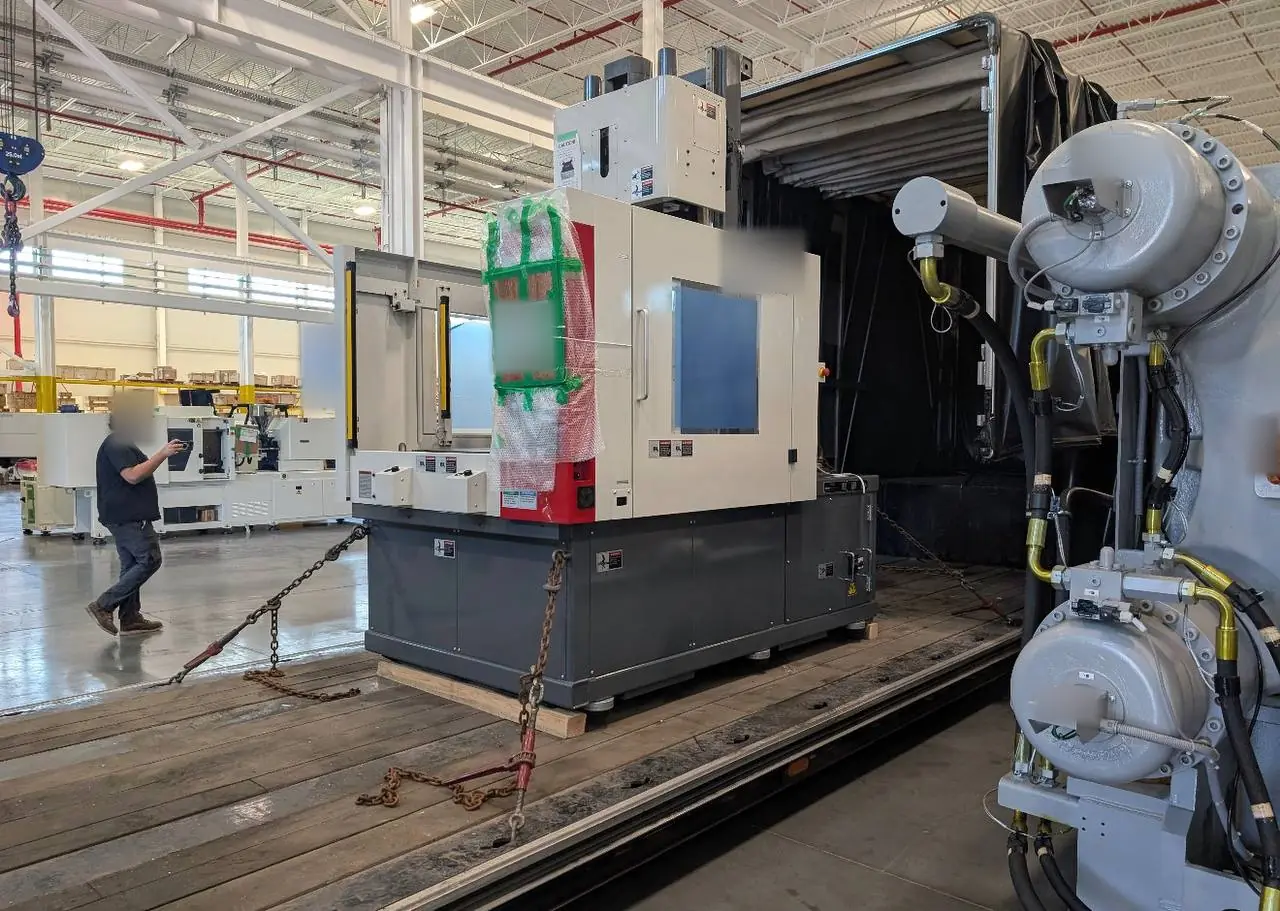
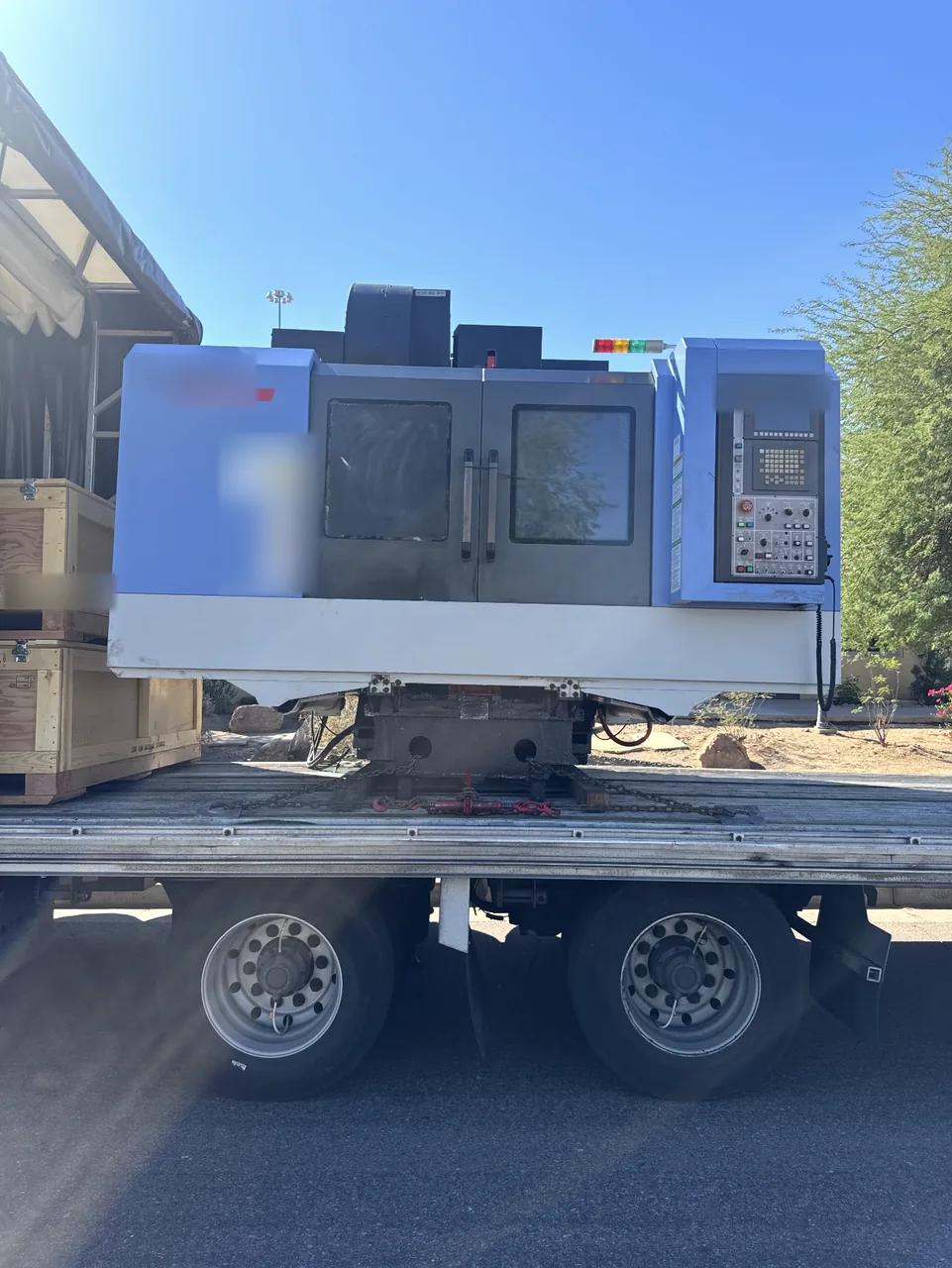
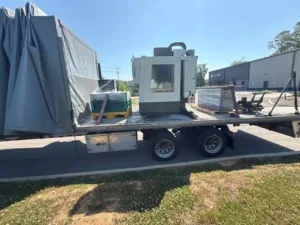
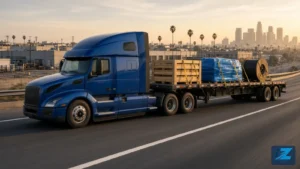
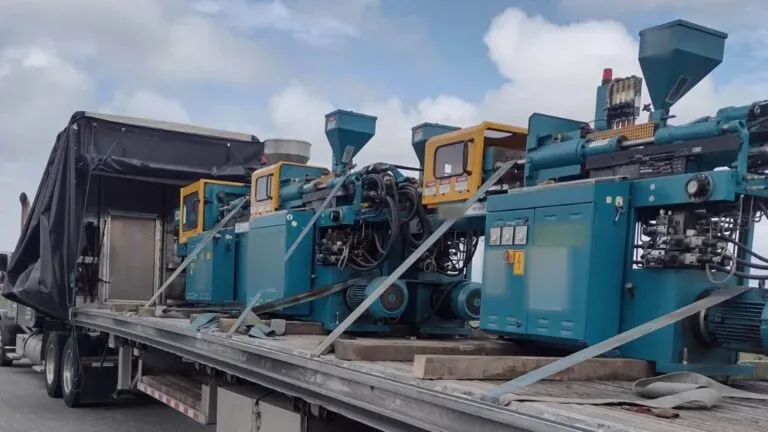
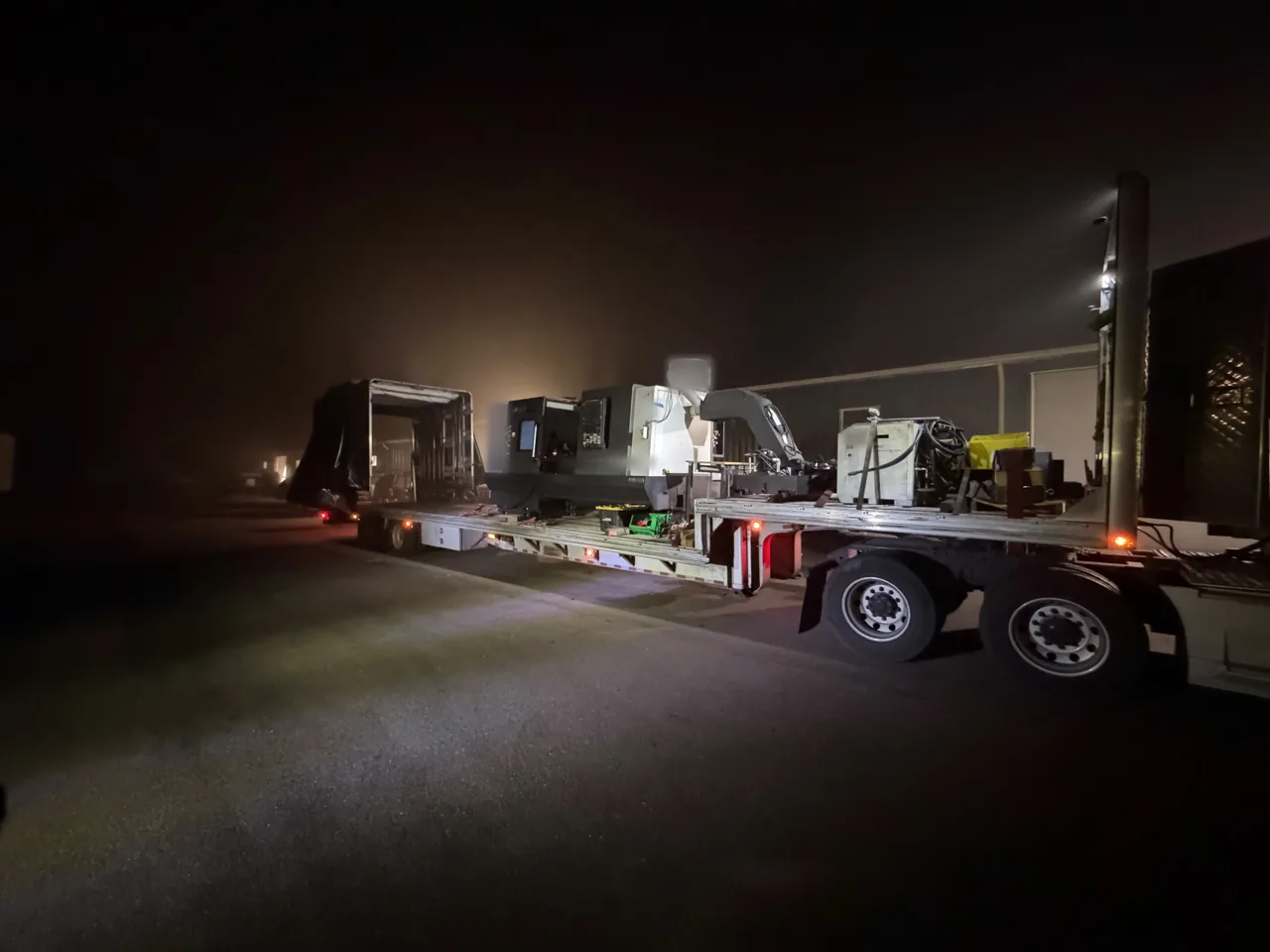
Conestoga machinery transport Los Angeles is how a lot of plants get a molder or CNC out the door clean, dry, and on schedule. A Conestoga is an open deck trailer with a sliding tarp on aluminum bows. It loads like a flatbed, then closes up like a box, and the tarp never rests on the machine.
That matters for injection molding machines. They have control cabinets, hydraulic lines, heater bands, and painted guards that don’t love rain, freeway grime, or a flapping tarp. So when a machine leaves the San Fernando Valley, the Inland Empire, or a shop near the port, a Conestoga keeps it covered from dock to dock.
Why Machinery and Molders Ride Conestoga
The short answer is protection without slowing down the load. Here’s what you get compared with a standard tarped flatbed.
- Weather and road grime stay out. Rain, dust from the 15 through the Cajon Pass, and road spray stay off electronics and fresh paint.
- Side and overhead loading. The tarp rolls to the front or back, so a forklift can reach in from the side, or a bridge crane can set the machine from above.
- No tarping delays. The driver doesn’t spend an hour throwing and strapping heavy tarps at pickup, and nothing presses on control panels or sight glass.
However, a Conestoga isn’t always required. Bare steel, crated parts, or a machine fully boxed in a wood crate can ride a regular flatbed with tarps just fine.
Comparing the 3 Conestoga Types for Machinery
All three use the same rolling tarp idea. The difference is how low the deck sits, which sets how tall your machine can be. Our network of carriers runs each type, and our trailer types guide covers the rest of the equipment we book.
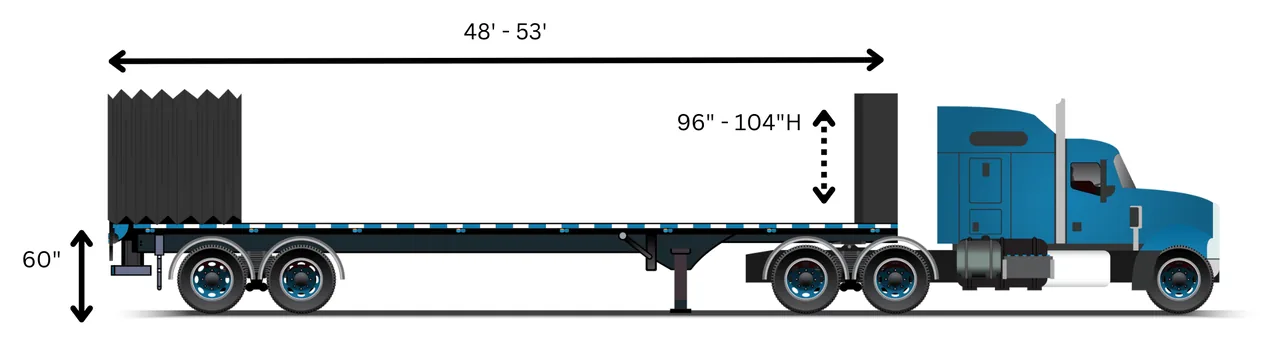
| Deck height | About 60 in |
|---|---|
| Max freight height | About 96 to 104 in under the frame |
| Length | 48 to 53 ft |
| Width | Freight up to 8 ft 6 in (102 in) wide |
| Roll-top tarp | Rolling tarp on bows covers the full deck and opens from either end |
| Typical legal weight | Roughly 45,000 lbs of freight, varies by carrier and tractor |
| Best fit | Compact CNC lathes and mills, low profile injection molders, crated controls |
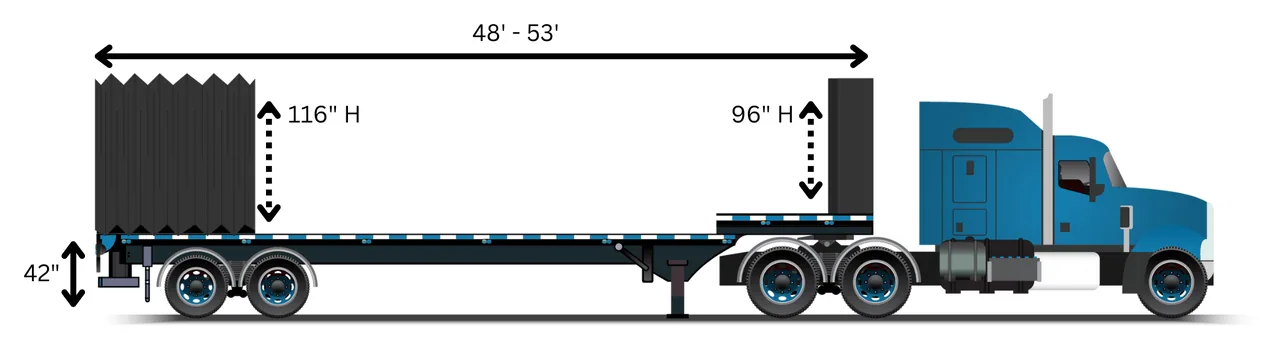
| Deck height | About 42 in lower deck, about 60 in upper deck |
|---|---|
| Max freight height | About 116 in on the lower deck, about 96 in on the upper deck |
| Length | 48 to 53 ft |
| Width | Freight up to 8 ft 6 in (102 in) wide |
| Roll-top tarp | Rolling tarp covers both decks and opens from either end |
| Typical legal weight | Roughly 44,000 lbs of freight, varies by carrier and tractor |
| Best fit | Taller machining centers and lathes, mid size molders, auxiliary units up top |
| Deck height | About 42 in at the ends, with a lower well between them |
|---|---|
| Max freight height | About 142 in in the well, 116 in on the rear deck, 96 in on the front deck |
| Length | 48 to 50 ft |
| Width | Freight up to 8 ft 6 in (102 in) wide |
| Roll-top tarp | Rolling tarp covers the well and both decks |
| Typical legal weight | Roughly 35,000 to 40,000 lbs of freight, varies by carrier |
| Best fit | Very tall machines that still need full cover, within the well length |
Figures are typical. Inside height, weight capacity, and length vary by carrier and equipment, so we confirm them before booking.
For most Conestoga machinery transport Los Angeles jobs, the flatbed version does the work, and the other two cover taller machines. Keep in mind that these are typical numbers. Each Conestoga kit is a little different, so we confirm the real inside height with the carrier before your machine is booked.
Which Conestoga Fits Your Machine Height?
On any Conestoga machinery transport Los Angeles quote, start with the total height of the machine sitting on its skid or dunnage, not the brochure number. Then match it to the deck.
Up to about 8 feet: flatbed Conestoga
Most compact CNC lathes, small vertical mills, and low profile molders fit here. It’s also the easiest type to find in Southern California, so it tends to book fastest.
Up to about 9 feet 8 inches: step deck Conestoga
Taller machining centers and mid size molders usually go on the lower deck. Meanwhile, the upper deck can carry an auxiliary unit, a chiller, a dryer, or a crate of tooling.
Up to about 11 feet 10 inches: double drop Conestoga
This is the specialty option for very tall machines that still need cover. Fewer carriers run them, and the well limits how long the machine can be, so give us more lead time.
How Machines Are Secured Inside a Conestoga
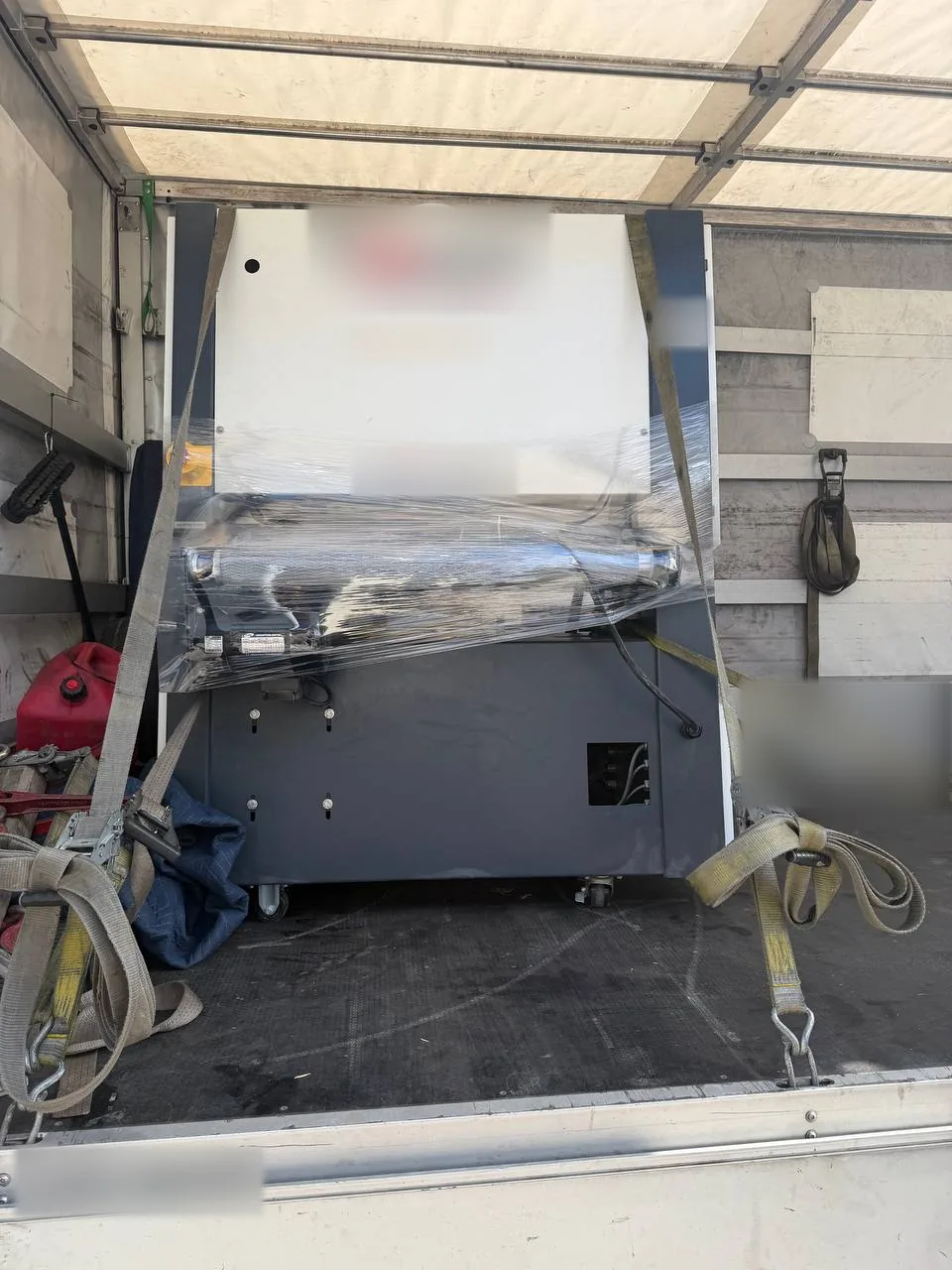
Machinery is chained at the base, not strapped over the top. On Conestoga machinery transport Los Angeles loads, the motor carrier and driver decide the final securement, and they need good information from you to do it right.
- Chains and binders go to the machine’s base, frame, or tie down points, pulling in opposing directions.
- Lighter machines on casters may be strapped to the deck instead, with straps kept off panels and screens.
- Machines ride on wood skids or dunnage, which protects the deck and gives the forklift room to lift.
- Loose parts, hoppers, and robots are removed or blocked so nothing shifts.
- Control cabinets and screens are shrink wrapped or crated before the truck arrives.
For the rules behind it, see the FMCSA cargo securement rules.
Shipper Tips Before Your Conestoga Pickup
Know the weight and center of gravity
Good Conestoga machinery transport Los Angeles planning starts with the real shipping weight, including skids, so send that first. If the machine is top heavy or the weight sits toward one end, mark the center of gravity on the crate or the machine itself.
Protect the electronics
Crate or shrink wrap the controller, the pendant, and any touch screen. Drain hydraulic oil and water lines if the manufacturer recommends it, and cap open ports.
Plan the rigging at both ends
Confirm who loads and who unloads, whether that’s a forklift with enough capacity, a crane, or a rigging crew. Also check that there’s room beside the trailer for side loading.
Check width before you book
A Conestoga is limited to freight within 8 feet 6 inches wide. Wider machines need an open deck trailer and oversize permits, and permitted loads usually run daylight hours only.
Moving a wire EDM or a molder? See our EDM machine transport and injection molding machine transport pages for how our network of carriers handles them.
What Drives the Cost of Conestoga Machinery Transport Los Angeles
- Which Conestoga type you need, since step decks and double drops are scarcer
- Weight, height, and how many machines share the deck
- Loading and unloading time, plus any detention
- Distance, the destination lane, and the season
- Extra stops, appointments, or a tight delivery window
Conestoga Machinery FAQ
Can an injection molding machine ride on a flatbed Conestoga?
Often, yes, if the machine on its skid stays under about 96 to 104 inches tall. Taller molders usually move to the lower deck of a step deck Conestoga.
What if my machine is wider than 8 feet 6 inches?
The Conestoga frame cannot close around it. Wide machines go on an open flatbed, step deck, or double drop with tarps and oversize permits instead.
Does a Conestoga cost more than a tarped flatbed?
Usually, because there are fewer Conestogas out there. Weight, height, the trailer type you need, lane demand, and loading time all drive the price.
How far ahead should I book Conestoga machinery transport Los Angeles?
A few days ahead helps, especially for step deck and double drop Conestogas, which are harder to find. Flatbed Conestogas usually book faster.
Can you load a Conestoga with a forklift or crane?
Yes. The tarp rolls to one end, so a forklift can work from the side and an overhead crane can drop the machine straight down.
Helpful Pages for Planning This Shipment
Ready to Move a Molder or CNC Out of Los Angeles?
Send the machine model, the real height, width, and weight on the skid, a few photos, and the pickup and delivery details. We’ll match your Conestoga machinery transport Los Angeles shipment with the right trailer in our network of carriers. You can also text us at (541) 291-4947.