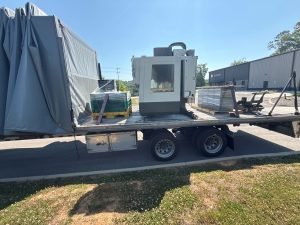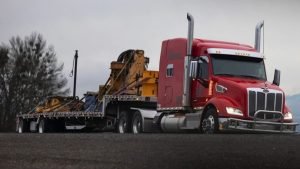
Moving oversized equipment requires careful planning before the truck arrives at the pickup location. Equipment dimensions, weight, loading requirements, routing, permits, securement, and delivery conditions all need to be considered.
At IZ Freight, we help coordinate heavy haul and oversized freight transportation around the requirements of the shipment and destination.
Start With Accurate Equipment Information
The first step is collecting accurate information about the equipment.
Important details include:
• Overall length
• Overall width
• Overall height
• Total weight
• Equipment type
• Attachments or accessories
• Center of gravity when relevant
• Loading requirements
• Pickup and delivery locations
Accurate measurements help determine the appropriate trailer and transportation requirements.
Choose the Right Trailer
Oversized equipment may require specialized trailer equipment depending on its dimensions and weight.
Potential options can include:
• Flatbed trailers
• Step deck trailers
• Lowboy trailers
• Specialized heavy haul equipment
Trailer selection should be based on the actual equipment and transportation requirements rather than simply choosing the largest available trailer.
Plan the Loading Process
Loading is one of the most important parts of heavy equipment transportation.
Before pickup, determine:
• How the equipment will be loaded
• Whether a crane is required
• Whether a forklift is available
• Whether a rigger is required
• Whether the facility has sufficient access
• Where the truck will stage
• What loading window is available
Having this information ready can help the carrier and pickup location stay aligned.
Securement Is Critical
Once equipment is loaded, proper securement is essential.
The securement method depends on the equipment, trailer, weight distribution, and applicable transportation requirements.
Before departure, the shipment should be checked for:
• Proper positioning
• Weight distribution
• Securement
• Protection of sensitive components
• Clearance
• Overall loaded dimensions
Planning securement before the truck arrives can help avoid unnecessary delays.
Routing and Delivery Planning
Oversized shipments can require additional route planning because of the dimensions and weight of the load.
Delivery planning may involve:
• Route considerations
• Delivery windows
• Site access
• Traffic restrictions
• Jobsite conditions
• Unloading requirements
• Crane or rigger appointments
The transportation plan should consider the entire trip—not just the pickup.
Coordinate the Jobsite Before Delivery
For many heavy haul shipments, the truck is only one part of the delivery.
The destination may need to have:
• Site personnel available
• Receiving crews ready
• A crane scheduled
• Riggers available
• Proper unloading space
• Site access prepared
IZ Freight helps coordinate truck arrival with project teams, site contacts, and unloading requirements so the delivery is organized before the truck arrives.
Why Planning Matters
Oversized equipment transportation can become complicated when dimensions, loading requirements, and delivery conditions are not confirmed in advance.
A well-planned shipment helps everyone understand:
• What is being transported
• Which trailer is required
• How it will be loaded
• When it will arrive
• Who will receive it
• How it will be unloaded
Need to Move Oversized Equipment?
IZ Freight provides heavy haul and oversized freight solutions for construction equipment, industrial machinery, and other large equipment.
Share your equipment dimensions, weight, pickup location, destination, and delivery requirements to discuss the best transportation approach.