Dry Van and Reefer Trucking Serving Los Angeles
Enclosed 53 foot trailers for freight that needs to stay dry, secure or cold. A dry van protects palletized and boxed freight from weather. A reefer adds a refrigeration unit to hold a set temperature. IZ Freight books both for shippers serving Los Angeles, the Inland Empire and the ports.

Dry Van Trailer Specs

| Trailer length | 48 or 53 ft |
|---|---|
| Inside width | About 98 to 101 in |
| Inside height | About 108 to 110 in |
| Floor height | About 48 to 60 in (dock height) |
| Pallet spots | Up to 26 standard 48 x 40 pallets, single stacked |
| Typical payload | About 42,000 to 45,000 lb |
Typical ranges. We confirm the exact trailer for each load.
Reefer Trailer Specs

| Trailer length | 48 or 53 ft |
|---|---|
| Inside width | About 98 to 100 in |
| Inside height | About 102 to 103 in |
| Temperature | Set point held by a front mounted unit, frozen through chilled |
| Pallet spots | Up to 26 standard 48 x 40 pallets, single stacked |
| Typical payload | About 40,000 to 43,000 lb |
Typical ranges. We confirm the exact trailer for each load.
Dry Van vs Reefer: The Difference
| Dry van | Reefer | |
|---|---|---|
| Temperature control | None. Freight rides at outside temperature | Refrigeration unit holds a set temperature, frozen or chilled |
| Typical freight | Pallets, boxes, retail, paper, packaged goods | Produce, meat, dairy, frozen food, flowers, some pharma and chemicals |
| Inside height | About 108 to 110 in | About 102 to 103 in, due to insulated walls |
| Payload | About 42,000 to 45,000 lb | About 40,000 to 43,000 lb, the unit and fuel add weight |
| Cost drivers | Lane, miles, weight, accessorials | Same as van plus the unit fuel, temperature setting and stricter appointment times |
Not every reefer load is cold. A reefer can also run in protect from freeze mode or keep heat sensitive freight from overheating in summer.
Enclosed Equipment Options
Swipe through the enclosed trucks and trailers shippers in Los Angeles compare.


- Dry van – 53 foot enclosed trailer for dry freight. Dry van specs →
- Reefer – Insulated trailer that holds a set temperature. Reefer specs →
- Conestoga – A rolling tarp over a flatbed for side loaded freight. Conestoga page →
- Box truck – Smaller loads with liftgate options. Box truck page →
- Sprinter van – Urgent, lighter enclosed freight. Sprinter page →
What Ships Dry Van and Reefer in Los Angeles
Produce from Southern California
Fruit and vegetables from growers, packers and cold storage across Southern California.
Frozen and refrigerated food
Frozen food, dairy, meat and prepared foods for grocery and food service.
Beverages and temperature sensitive goods
Products that can be damaged by heat in summer or freezing in winter.
Retail and ecommerce
Palletized retail freight moving from Inland Empire warehouses to distribution centers.
Port transloads
Freight unloaded from containers at the Ports of Los Angeles and Long Beach and reloaded into 53 foot vans.
Paper, packaging and building products
Dry freight that must be kept out of the weather.
Van Trailers at the Dock
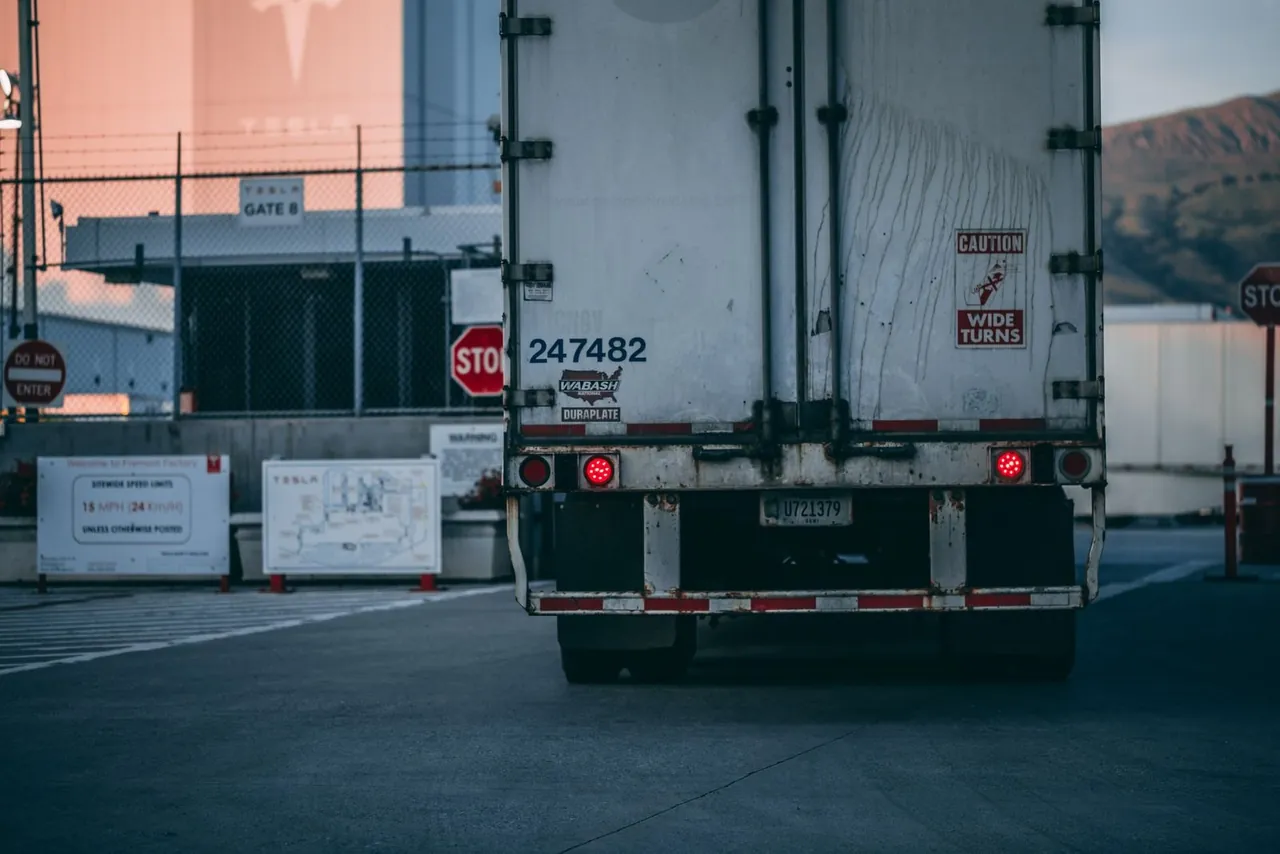
Most van and reefer freight loads and unloads at a dock through the rear doors. No dock at your site? Ask about a liftgate or a smaller truck.
LTL, Partial or a Full Van?
| LTL | Partial (PTL) | Full van or reefer | |
|---|---|---|---|
| Pallets | About 1 to 6 | About 6 to 12, or 8 to 24 linear feet | About 13 to 26 |
| How it moves | Shares a truck, moves through terminals | Shares a trailer, usually fewer stops | A dedicated 53 foot van or reefer |
| Handling | More handling at terminals | Less handling | Loaded once, delivered direct |
| Best for | Small shipments that are not urgent | Mid size loads that do not fill a trailer | Full loads, fragile or high value freight |
See LTL shipping and partial truckload for smaller loads. Counts are typical and depend on pallet size and stacking.
Why Shippers Use IZ Freight for Vans and Reefers
- One contact from pickup to delivery, with updates along the way
- Vetted van and reefer carriers serving Los Angeles and nationwide lanes
- Temperature, seal and appointment details confirmed before dispatch
- Straight answers when LTL or an open deck trailer fits better
Only a few pallets? See LTL shipping or partial truckload. Smaller and urgent? See box truck and Sprinter van.
How a Reefer Load Works
Set the temperature
You give the set point in Fahrenheit, and whether the unit should run continuous or cycle (start and stop).
Pre cool the trailer
The carrier pre cools the trailer to the set point before loading, so the freight is not loaded into a warm box.
Load at temperature
Product should already be at the shipping temperature. A reefer holds temperature but is not built to pull warm product down.
Seal and record
The trailer is sealed and the seal number goes on the bill of lading with the temperature.
Monitor in transit
Many reefer units log temperature during the trip, and the carrier checks it along the way.
Deliver on appointment
Cold storage and grocery receivers usually run on strict appointments, so timing is set before pickup.
Van and Reefer Prep Checklist
Have these ready for the fastest quote.
- Pickup and delivery addresses
- Pallet count and pallet size
- Total weight
- Commodity
- Temperature set point and continuous or cycle (reefer)
- Stackable or not
- Dock, appointment and receiving hours
- Seal and load or unload requirements
Dry Van and Reefer FAQ
What is the difference between a dry van and a reefer?
A dry van is an enclosed trailer with no temperature control. A reefer is an insulated trailer with a refrigeration unit that holds a set temperature.
How many pallets fit in a 53 foot trailer?
Up to 26 standard 48 x 40 pallets single stacked, or more if the freight can be stacked safely.
How much weight can a dry van carry?
Typically about 42,000 to 45,000 lb of freight, depending on the truck and trailer weight. A reefer usually carries a little less.
Can I ship dry freight in a reefer?
Yes. A reefer can run with the unit off or set to protect freight from heat or freezing.
What do you need for a van or reefer quote?
Pickup and delivery locations, pallet count, weight, commodity, any temperature setting and appointment times.
What does continuous or cycle mean on a reefer?
Continuous keeps the unit running the whole trip for tighter temperature control. Cycle starts and stops the unit to save fuel. Your product and receiver decide which is needed.
Should freight be pre cooled before loading?
Yes. A reefer is built to hold temperature, not to cool warm product, so freight should be at temperature when it is loaded.
Can you ship a partial van or reefer load?
Often, yes. For a few pallets, LTL or partial truckload may cost less than a full trailer.
Helpful Pages
Ready to Book a Van or Reefer?
Send the pickup, delivery, pallet count, weight and any temperature needs. Our team serving Los Angeles will match the right trailer and send a quote.