Mine machines, parts and plant components moved on flatbed, step deck, RGN and Conestoga trailers, with permits and escorts and mine site delivery planned before the truck is dispatched.
🔒 SSL Secure | 🛡️ No Obligation | ⚡ Fast Response
IZ Freight coordinates mining equipment transport on flatbed, step deck, RGN and Conestoga trailers for machines, parts and plant components moving out of mines, from auctions to buyers, and from dealers and suppliers to mine sites. You send the machine, the dimensions and the two addresses; we line up a vetted motor carrier from the Armstrong Transport Group carrier network, the trailer that fits, and the permits and escorts the route needs.
Mine freight is rarely one clean piece. A haul truck ships without its bed, a shovel travels as a car body, boom and counterweights, and a crusher arrives as a skid, a motor and a pallet of wear parts. Planning each piece as its own load is what keeps a mine move on schedule. For larger pieces, our heavy haul and oversized service handles the permit side.
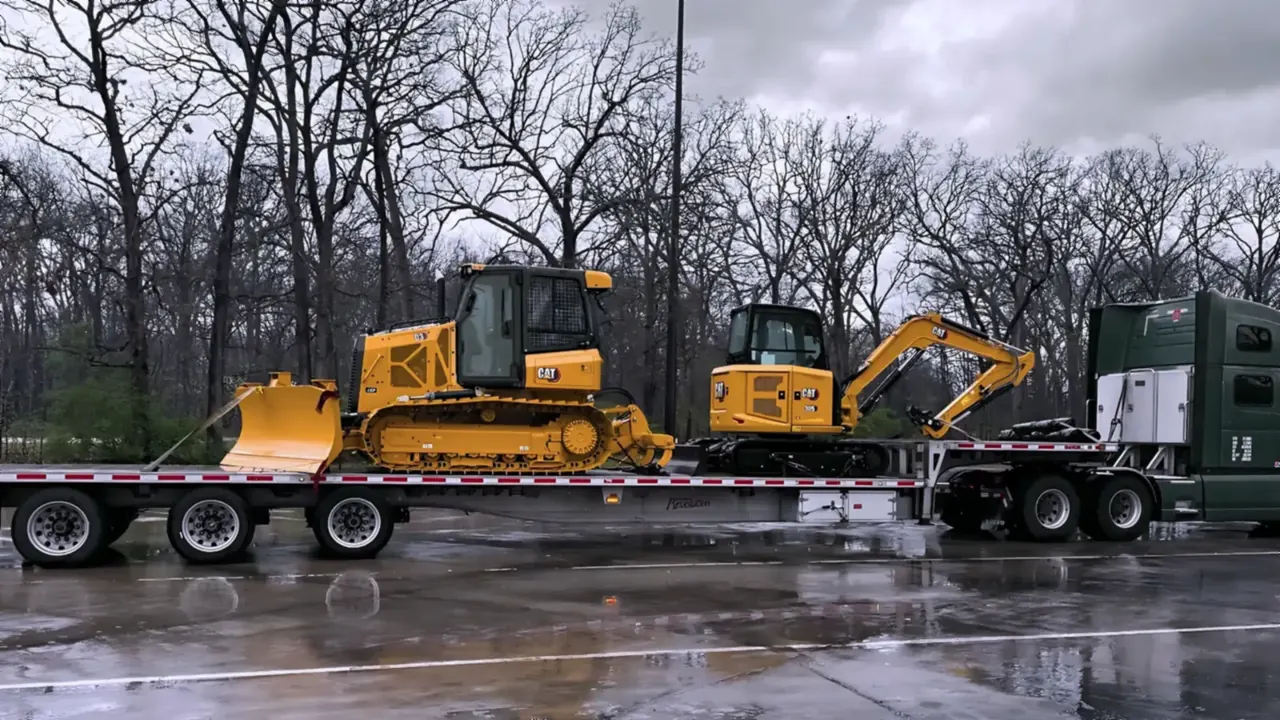
Anything that moves in or out of a mine on an open deck: surface and underground machines, the construction equipment that works beside them, cranes, and the parts and plant pieces that keep a site running.
Wheel loaders, hydraulic shovel and excavator components, haul truck chassis, beds and tires.
Blasthole drills, drill masts and rod carousels, tracked and truck mounted rigs.
LHD loaders, underground haul trucks, roof bolters, jumbos, continuous miners and tunnel boring machine sections.
Dozers, motor graders, articulated trucks, compactors and water trucks used for haul roads and pads.
Rough terrain cranes, crawler crane components, boom sections, counterweights and telehandlers.
Jaw and cone crushers, screens, portable plants and conveyor sections.
Tanks, pumps, mill components, motors, transformers, skids and structural steel.
Engines, transmissions, final drives, buckets, tracks, wear parts and rebuilt components.
Not sure what a machine measures shipped? Start with our list of shipping dimensions for 100 common construction machines, then confirm with the manufacturer spec sheet and a tape measure.
Most large mine machines do not travel in one piece. Haul trucks usually ship as separate loads: the chassis, the dump body, and the wheel and tire assemblies. Shovels and large excavators split into the base, boom and counterweights. Crushers and screens often ship as a frame plus removable components. The dealer or manufacturer’s shipping list is the best starting point for how a machine comes apart and what each piece weighs.
Each piece is then planned as its own load, with its own trailer, permits and route. Smaller loaders, dozers, articulated trucks and compact equipment usually travel whole on a step deck or RGN. Check common shipped sizes in our guide to construction equipment transport dimensions.
The freight changes with the mine. Open pits run large haul fleets, underground mines need low and narrow machines, and quarries cycle crushers and loaders between sites.
Large open pits with shovels, haul trucks, drills and concentrator parts.
Open pit and underground fleets, heap leach equipment and mill components.
Surface draglines and dozers, underground continuous miners and longwall components.
Loaders, crushers, screens and conveyors moved between pits and plants.
Underground mining machines, hoist and mill parts, solution mining equipment.
Earthmoving fleets, process plant modules and tanks for new sites.
Large haul fleets, shovels and pellet plant components.
Boron, molybdenum, phosphate, gypsum and other operations with similar fleets.
We work with anyone who needs a mine machine or part moved, whether you own the mine or bought one machine at a sale.
Fleet transfers between sites, rebuild shipments and machines leaving a closing operation.
Mobilizing and demobilizing fleets for stripping, haul road and reclamation work.
Deliveries from the dealer yard to the mine, trade-ins and returns.
Pickup from the auction yard or online auction seller to your site.
Rental fleet delivery to mine sites and pickup at off-rent.
Plant equipment moves where a rigging crew loads and sets the freight.
New machines, components and rebuilt parts shipped to the customer site.
Wear parts, tires, buckets and spare components shipped on an open deck.
If a rigging crew is loading the freight, see our page on rigging and machinery transport.
Auction purchases are a big share of used mining equipment moves. Machines sell through on-site and online auctions such as Ritchie Bros. and IronPlanet (both part of RB Global), Purple Wave, and dealer and plant-closure sales. The auction sets the pickup window; the carrier needs a release and loading help on site.
Bought equipment at a Ritchie Bros. auction and need it delivered to your mine? We can help with that. Send us the lot number and the yard, and we will line up the right trailer, check permits and get it to your site before storage fees start.

The trailer is set by the shipped height, width, weight and how the piece loads. Most mine freight rides on one of four open-deck trailers. See all trailer types for deck heights and legal sizes.
Parts, tires, buckets, skids and structural steel loaded by crane or forklift. Flatbed trucking.
Taller components and smaller machines that need a lower deck to stay under height. Step deck trucking.
Tracked machines, loaders, dozers and heavy components that drive or load on. RGN trucking serving Los Angeles.
Motors, electrical gear and parts that need weather cover without tarping. Conestoga machinery transport.
Many mine machines are over legal width, height or weight even after disassembly, so every state or province on the route issues its own permit and sets the escort rules. Each state’s limits are on our page of oversize permits and escort requirements by state.
Removing a bed, boom, counterweight or bucket can bring a piece under a permit threshold or onto a smaller trailer. That decision belongs to the owner, the dealer or manufacturer, and qualified technicians. The motor carrier and driver evaluate and maintain securement under FMCSA cargo securement rules, and the loading team supplies accurate weights and freight that can be handled safely.
Most of what moves in and out of a mine is wide, tall or heavy, and that is the freight IZ plans every day. We start with the shipped dimensions and weight, match the trailer, then check every state on the route for permits, escorts and travel limits before the quote goes out.
Loads over legal width, height or weight. See heavy haul and oversized transport.
Flatbed, step deck, RGN, double drop and Conestoga. Compare trailer types.
Tall loads need a route that clears bridges and wires. Check the height and clearance map.
Rules change at every state line. Read oversize permits and escort requirements by state.
We coordinate mine freight nationwide and into Canada, with most of our planning centered on the Southwest mining states.
Arizona was the leading copper producing state in 2025 and accounted for about 70% of U.S. copper, according to the USGS Mineral Commodity Summaries 2026. Large open pit copper operations across the southeastern and central parts of the state keep shovel components, haul truck parts, tires and plant equipment moving. Freight from Los Angeles runs east on I-10; see our Los Angeles to Phoenix freight lane.
New Mexico produces copper from open pits in the southwest corner of the state, and USGS reports most U.S. potash comes from southeastern New Mexico around Carlsbad, from underground and solution mines. That mix means both open pit fleets and underground machines move through the state.
Texas has more active mines on record with MSHA than any other state, most of them aggregate, cement and lime operations, and Oklahoma adds a large base of quarries. Loaders, crushers, screens and conveyors move between these sites and the dealer and auction yards in the region. See our Los Angeles to Dallas freight lane.
Utah produces copper, gold and salt and has underground mines alongside its pits. Colorado’s production includes gold and molybdenum, with molybdenum mines high in the central Rockies, where grades and seasonal weather shape the route.
Nevada led the country in nonfuel mineral production value in 2025, mostly gold, copper and silver. California supplies dealers, rental fleets and machines arriving through the Port of Los Angeles. We also arrange moves for iron ore in Minnesota and Michigan, coal and aggregate in Appalachia and Wyoming, and aggregate operations in Oregon and Washington.
For mines in British Columbia, Alberta, Saskatchewan, Ontario and Quebec, cross-border loads are planned through our Los Angeles to Canada freight service with your customs broker.
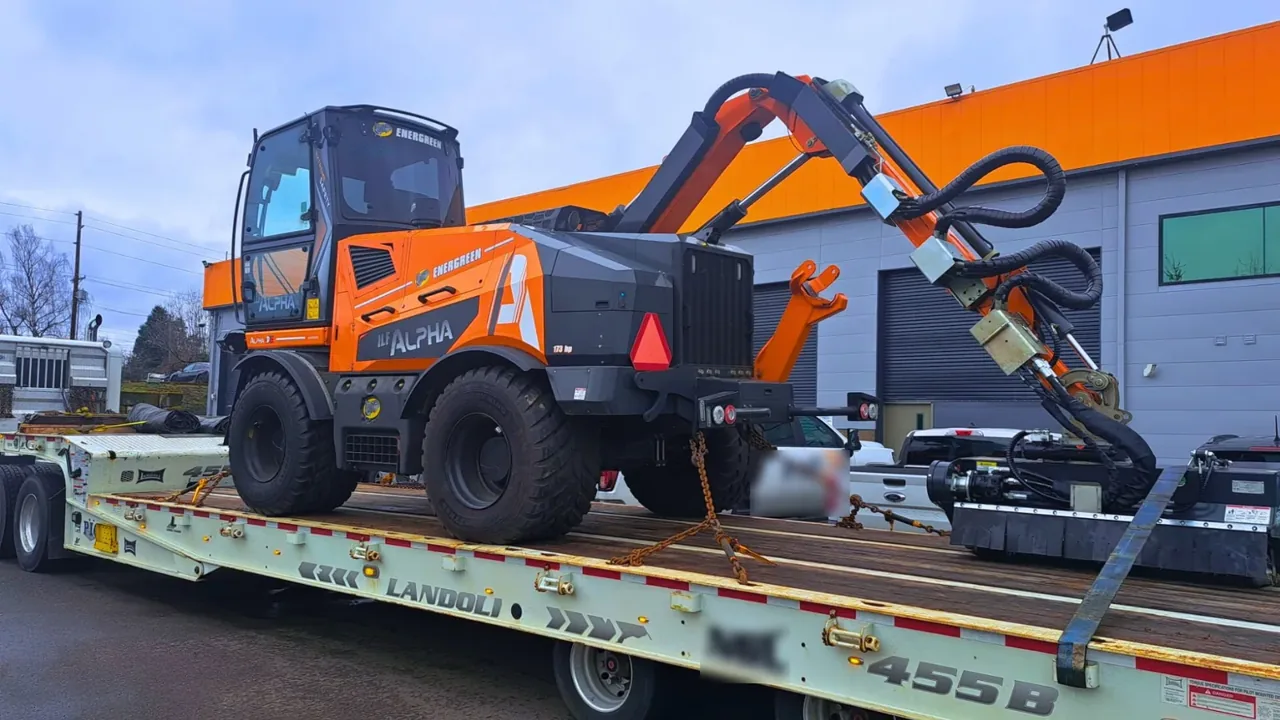
A mine is not a normal delivery address. Federal mine safety rules from MSHA apply on site, and each mine adds its own procedures. Rules vary by site, so the carrier confirms the requirements with the mine contact before dispatch.
Surface mines must give delivery workers and over-the-road truck drivers site-specific hazard awareness training before they are exposed to mine hazards, unless an experienced miner accompanies them at all times (30 CFR 46.11). Underground mines train under 30 CFR Part 48.
Expect to stop at the gate or scale house, sign in, receive the site briefing, and follow an escort or directions to the laydown area. Some sites only allow drivers in with an escort.
MSHA requires hard hats, protective footwear and eye protection where those hazards exist (30 CFR 56.15002 to 56.15004). Many sites also require high visibility clothing and hearing protection.
Each mine sets rules for speed, right of way, direction of travel and headlight use (30 CFR 56.9100). Haul trucks are large and have blind spots, so drivers follow the posted rules and the escort.
Roads with drop offs must have berms or guardrails at least mid-axle height of the largest equipment that uses them (30 CFR 56.9300). The site decides where a highway truck may and may not drive.
Confirm who unloads, with what crane, loader or forklift, and where. The mine controls the work area; the driver stays clear of the lift unless told otherwise.
IZ Freight is a freight agency. We coordinate your load through the Armstrong Transport Group carrier network and match it with an authorized motor carrier that runs the right trailer for the job, whether that is a flatbed for parts, a step deck for a loader or an RGN for a dozer or excavator.
Carriers are checked for active operating authority and insurance before they are booked. Your coordinator handles the plan, the rate, the paperwork and the updates, so you have one contact from pickup to proof of delivery.
Each move follows the same steps, and the details you send first decide how fast it can be quoted.
Make, model, shipped dimensions and weight, photos, and both addresses.
We match the trailer and check permits, escorts and site access.
One rate with the trailer, permits and escorts spelled out.
Who loads, with what equipment, and the site’s safety and check-in rules.
Your coordinator keeps you updated from pickup to delivery.
Unloading is confirmed in advance and you receive the signed delivery receipt.
Price depends on the freight and the route, so every quote is built from your details.
A complete request gets the fastest and most accurate quote.
Use this list before pickup to avoid delays at the yard or the mine gate.
Make, model, serial number, and the shipped length, width, height and weight of every piece.
Buckets, booms, counterweights and tools removed or secured, with each loose part listed.
Fuel and fluids handled as the owner or manufacturer directs, and mud and ore cleaned off.
Who loads, with what equipment, and whether the machine can drive on under its own power.
Crane, loader or forklift at destination, and where the laydown area is.
A name and phone number at the mine, gate hours, check-in steps and PPE rules.
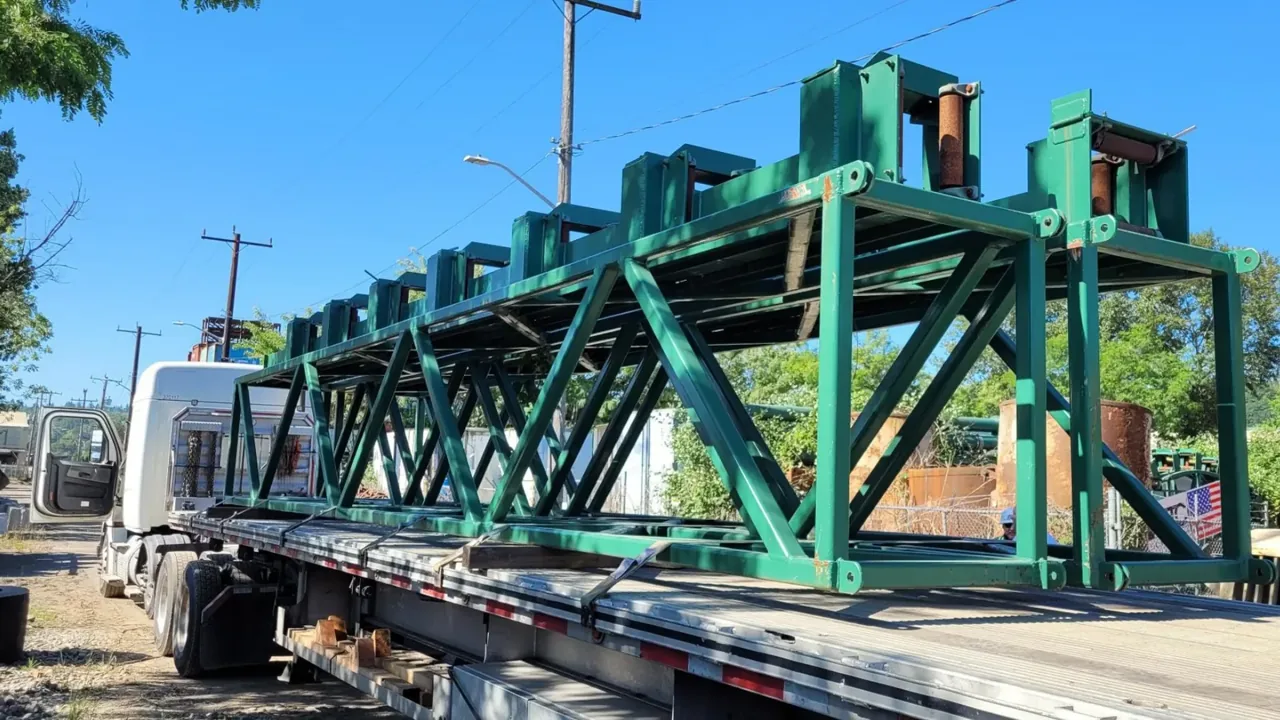
Mining equipment transport is moving mine machines, parts and plant components by truck, usually on flatbed, step deck, RGN or Conestoga trailers. IZ Freight coordinates these moves with vetted motor carriers and plans the trailer, permits and escorts for each load.
Yes, we can help with that. We arrange pickup from Ritchie Bros., IronPlanet, Purple Wave and other auction yards and online sellers, and delivery to your mine or quarry. Send the lot number, release, yard hours and loading details so the carrier can meet the pickup window.
Large haul trucks usually ship in pieces: the chassis, the dump body, and the wheel and tire assemblies each move as a separate load with its own trailer and permits. Smaller trucks and machines can travel whole on a step deck or RGN.
Under MSHA rules, surface mines must give delivery drivers site-specific hazard awareness training before they are exposed to mine hazards, unless an experienced miner accompanies them. Drivers also follow the site’s check-in, PPE, speed and right of way rules. Rules vary by site, and the carrier confirms them before dispatch.
MSHA requires hard hats, protective footwear and eye protection where those hazards exist. Many mines also require high visibility clothing and hearing protection. Check with the site contact for the full list.
No. IZ Freight is a freight agency of Armstrong Transport Group. We coordinate each load through the Armstrong carrier network with an authorized motor carrier that runs the right trailer.
Yes. LHD loaders, roof bolters, jumbos, continuous miners and similar machines are planned like other heavy equipment, based on their shipped dimensions, weight and how they load.
It depends on the loaded dimensions, weight, axles and route. Many large machines and components need permits and escorts in each state or province, which we check before the quote.
Yes. Cross-border loads are planned through our Los Angeles to Canada freight service, working with your customs broker on the paperwork.
Make and model, shipped dimensions and weight for each piece, photos, pickup and delivery addresses, loading and unloading details, and the ready date.
Send the machine or part, shipped dimensions and weight, photos, both addresses and who loads, and a coordinator will plan the trailer, permits and route.
IZ Freight is an independent agency of Armstrong Transport Group, LLC (MC-555609, USDOT 2236080). IZ Freight is powered by Armstrong Transport Group, and transportation is performed by authorized motor carriers.