Shipping a CNC machine requires more than simply finding a truck. The right trailer, loading method, securement, delivery schedule, and jobsite coordination all play an important role in protecting valuable industrial equipment.
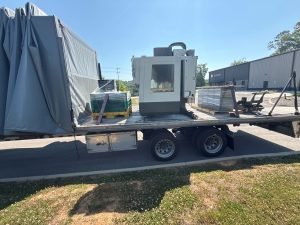
A Haas VF-2 vertical machining center is a good example of the planning required for specialized machinery transportation. Its size, weight, sensitive components, and value all need to be considered before transportation begins.
At IZ Freight, we help coordinate CNC and industrial machinery transportation based on the equipment, trailer, pickup, and delivery requirements. From selecting the right freight equipment to coordinating loading and final delivery, we help keep the process organized from start to finish.
Why CNC Machine Shipping Requires Careful Planning
CNC machines are precision pieces of industrial equipment that require proper handling during transportation. Sensitive electronics, painted surfaces, glass panels, and control systems all need to be considered when planning a shipment.
Before shipping a CNC machine, it is important to confirm:
• Machine dimensions and weight
• Trailer requirements
• Loading and unloading method
• Rigger or crane requirements
• Securement requirements
• Pickup and delivery locations
• Delivery windows and site requirements
Having these details ready helps the transportation team select the appropriate equipment and plan the shipment properly.
Choosing the Right Trailer for a CNC Machine
Trailer selection is one of the most important parts of CNC machine transportation.
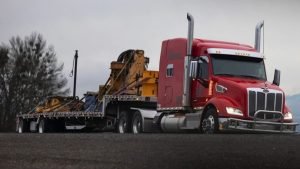
Depending on the machine’s dimensions, weight, height, and protection requirements, transportation may involve a flatbed, step deck, Conestoga, or another specialized trailer.
Flatbed Trailers
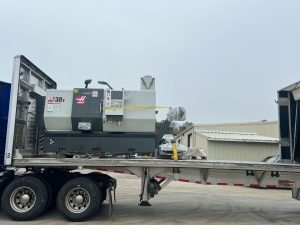
Flatbed trailers provide an open loading surface and can work well for machinery requiring crane loading, side loading, or specialized handling arrangements.
Step Deck Trailers
Step deck trailers provide a lower deck height than a standard flatbed, which can be helpful when total loaded height is an important consideration.
Conestoga Trailers
Conestoga trailers combine open-deck accessibility with a retractable covering system, providing additional protection from weather and road conditions while maintaining convenient loading access.
The right trailer depends on the actual machine dimensions, weight, loading method, and delivery requirements.
Why a Conestoga Can Be a Good Option for CNC Equipment
Many CNC machines have painted enclosures, glass panels, electronics, and other surfaces that benefit from additional protection during transportation.
A Conestoga trailer can provide protection from rain, road debris, dust, dirt, and direct sunlight while maintaining the loading flexibility of an open-deck trailer.
The retractable covering system also provides convenient access during loading and unloading compared with some traditional enclosed trailer options.
However, a Conestoga is not automatically the right choice for every CNC shipment. Trailer selection should always be based on the machine’s dimensions, weight, height, loading requirements, and destination.
Partial Truckload for CNC Machinery
Not every CNC machine requires an entire dedicated trailer.
For certain shipments, Partial Truckload (PTL) can provide a practical transportation option when the equipment does not require the full capacity of a truck.
PTL can be useful for shipments that need more space and handling consideration than standard LTL freight but do not require a completely dedicated trailer.
The right transportation mode depends on the machine’s size, weight, value, loading requirements, destination, and delivery schedule.
Rigger Coordination for CNC Machine Shipping
Getting a CNC machine onto the trailer is an important part of the transportation process.
Depending on the equipment and facility, loading may require a qualified rigger, crane, forklift, or other specialized equipment.
IZ Freight can help coordinate transportation requirements with the pickup location and delivery team so loading and transportation schedules are properly aligned.
Before pickup, confirm:
• Loading location and access
• Machine dimensions and weight
• Available loading equipment
• Rigger or crane requirements
• Pickup appointment
• Site contact information
• Loading window
• Securement requirements
Clear communication between the shipper, carrier, rigger, and site contact can help make pickup more efficient.
Securement Matters When Transporting CNC Machinery
Once the machine is loaded, proper securement is critical.
CNC equipment needs to remain stable throughout transportation. The appropriate securement method depends on the machine, trailer, weight distribution, loading configuration, and applicable transportation requirements.
Before the truck leaves the pickup location, the shipment should be checked to make sure it is properly positioned, secured, and protected.
Photos of the loaded shipment can also provide useful documentation of the equipment and securement before transit.
Jobsite Delivery Coordination
Getting a CNC machine to the destination is only part of the process.
The delivery location needs to be prepared before the truck arrives. Depending on the shipment, this may involve project managers, purchasing managers, site contacts, receiving crews, riggers, crane operators, and other personnel.
The delivery schedule should be communicated clearly so the appropriate people and equipment are available when the truck arrives.
This becomes especially important when the shipment requires specialized unloading equipment or a specific delivery window.
More Than Just the Truck
Specialized machinery transportation involves more than arranging a truck.
The delivery process may require coordination between carriers, site contacts, project teams, riggers, cranes, and receiving crews.
IZ Freight helps coordinate the transportation process around the requirements of the shipment and jobsite. This can include pickup scheduling, carrier coordination, delivery communication, and helping align truck arrival with the people and equipment waiting at the destination.
The goal is simple: keep the truck, the jobsite, and the delivery team working from the same plan.
Planning the Final Delivery
Before a CNC machine reaches its destination, the delivery requirements should be confirmed.
Important details include:
• Delivery date
• Delivery window
• Site access
• Unloading requirements
• Rigger availability
• Crane requirements
• Site contact
• Receiving area
Planning these details before the truck arrives can help reduce delays and ensure the jobsite is ready to receive the equipment.
What to Know Before Shipping a Haas VF-2
If you are preparing to ship a Haas VF-2 or another CNC machine, gather the following information before requesting a freight quote.
Machine Information
Provide the make, model, dimensions, weight, and any accessories being shipped.
Loading Requirements
Determine whether the machine can be loaded with a forklift or requires a rigger, crane, or other specialized equipment.
Trailer Requirements
Consider whether a flatbed, step deck, Conestoga, or another trailer is appropriate for the shipment.
Delivery Requirements
Confirm the destination, delivery window, site access, unloading requirements, and receiving contact.
Jobsite Coordination
Make sure the people and equipment needed for unloading are scheduled before the truck arrives.
Shipping Other CNC and Industrial Machinery
The same transportation planning can apply to many types of industrial equipment.
IZ Freight provides freight solutions for CNC and industrial machinery, including:
• CNC machining centers
• CNC mills
• CNC lathes
• Manufacturing equipment
• Production equipment
• Fabrication equipment
• Heavy machinery
• Specialized industrial equipment
Every shipment is different, so the transportation solution should be based on the equipment’s dimensions, weight, loading requirements, delivery conditions, and project schedule.
Why Proper Freight Planning Makes a Difference
A successful machinery shipment starts before the truck arrives.
Choosing the right trailer, coordinating loading professionals, properly securing the equipment, and planning the final delivery can all contribute to a smoother transportation process.
For high-value CNC equipment, communication is just as important as transportation. When carriers, site teams, and delivery personnel understand the schedule and requirements, there is less room for confusion at pickup and delivery.
Ready to Ship Your CNC Machine?
Whether you are moving a Haas VF-2, another CNC machining center, or industrial equipment, IZ Freight can help coordinate the transportation process around your shipment requirements.
From trailer selection and pickup coordination to rigger scheduling and jobsite delivery, we help keep the process organized from the first conversation through final delivery.
Tell us what you are moving, where it is located, where it needs to go, and what your loading and unloading requirements look like.
Request a CNC Machinery Freight Quote
Get in touch with IZ Freight to discuss your equipment and transportation requirements.